

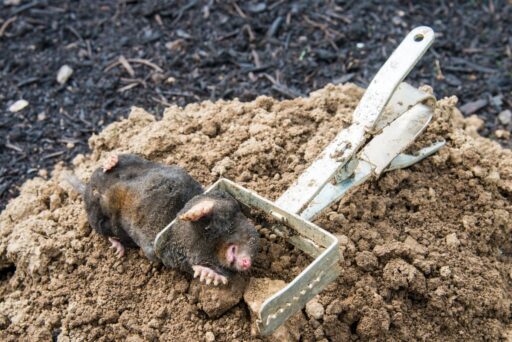
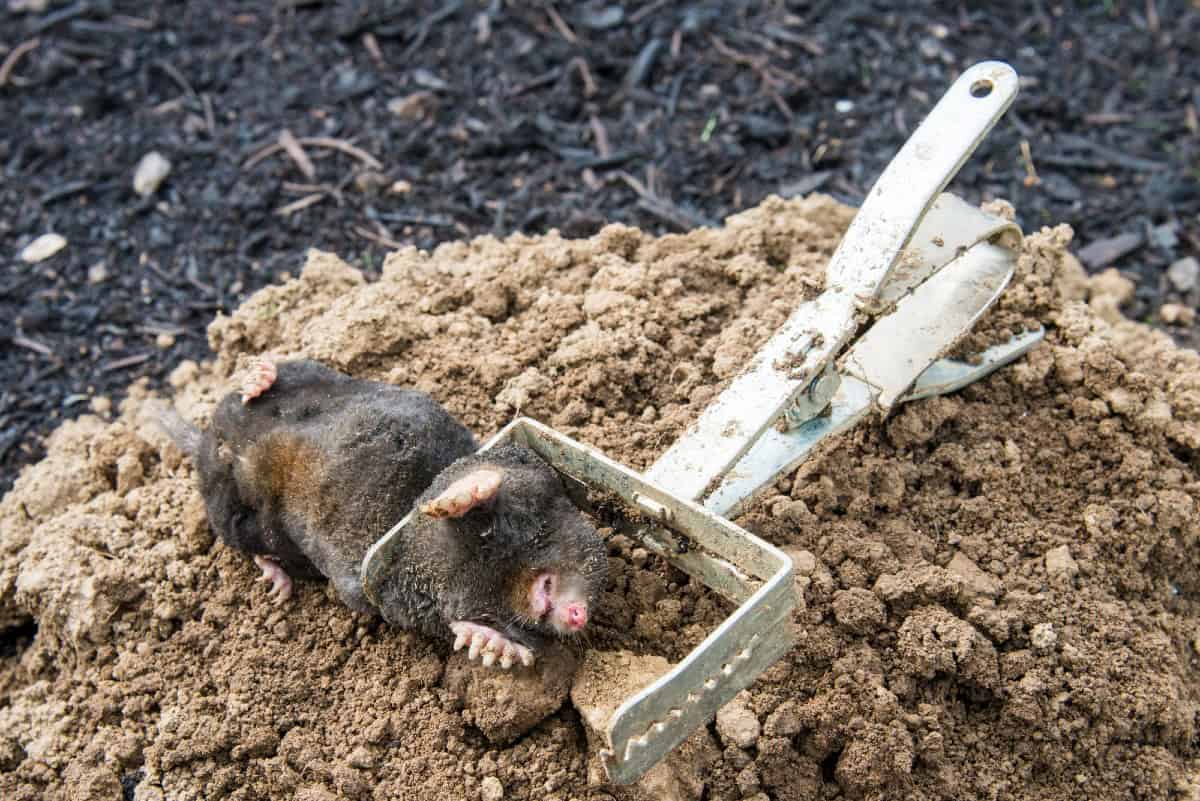
Why Do Farmers Kill Moles? Understanding the Farm Perspective
Before we dive into the “how,” let’s address the “why.” If you’re a suburban homeowner dealing with a few mole tunnels in your lawn, you might think farmers are being a bit dramatic about these little critters. But when you’re managing hundreds or thousands of acres, moles aren’t just annoying—they’re a legitimate agricultural problem.
Why farmers target moles:
- Equipment damage: Mole tunnels create weak spots that can cause tractors, combines, and other heavy machinery to sink or tip
- Irrigation issues: Tunnels disrupt water distribution systems and drainage patterns
- Crop damage: While moles don’t eat plants, their tunneling disturbs root systems and creates air pockets that dry out plants
- Soil quality: Constant tunneling brings subsoil to the surface, disrupting the carefully maintained topsoil layer
- Safety hazards: Livestock can break legs stepping in mole tunnels (and we’re talking about animals worth thousands of dollars)
- Scale: A single mole creates 100+ feet of tunnels per day. On a 1000-acre farm, that’s a lot of underground chaos
When your livelihood depends on productive land, moles go from “cute underground mammals” to “agricultural pests” pretty quickly. Farmers have been dealing with moles for centuries, and they’ve developed some time-tested strategies—some traditional, some high-tech, and some… well, let’s just say they’re interesting.
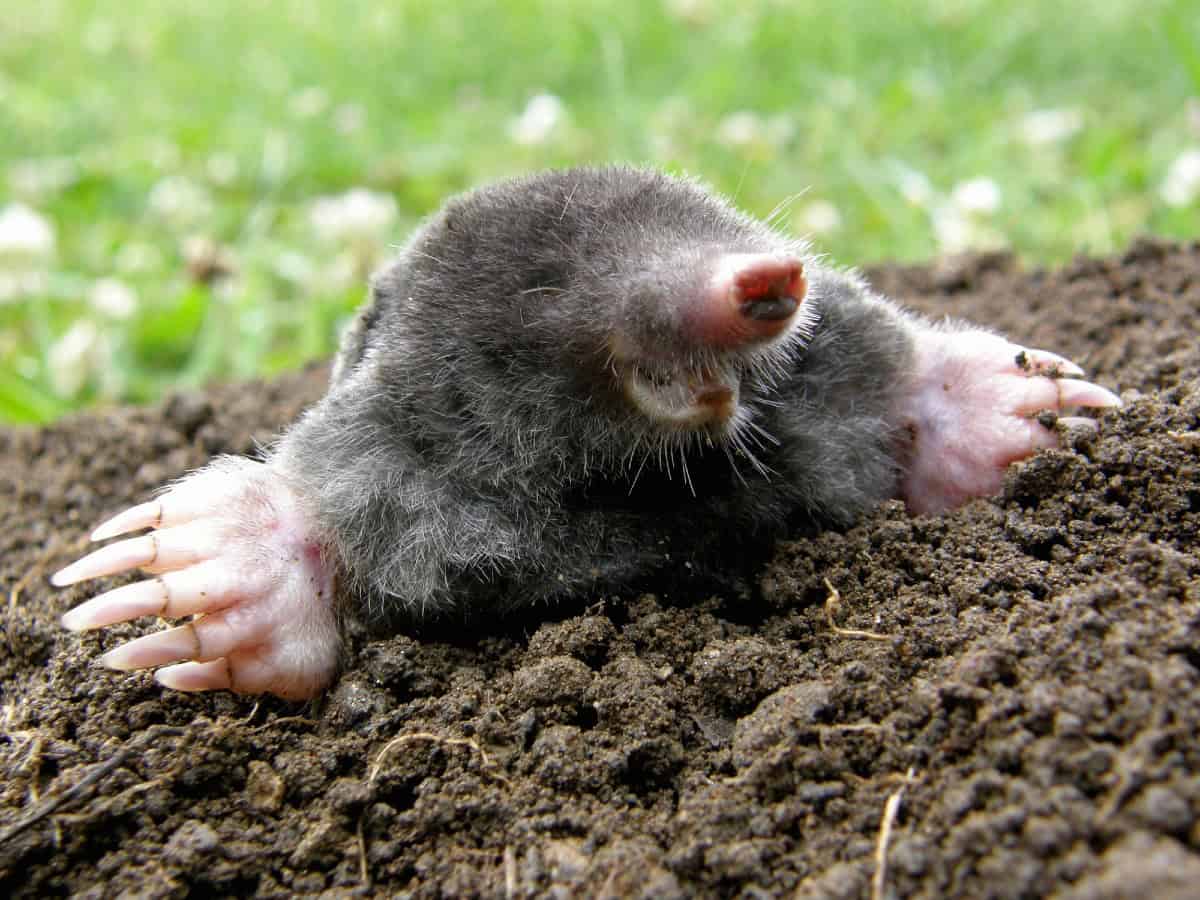
How Do Farmers Kill Moles? Traditional Methods
Farmers have been battling moles since the dawn of agriculture, and over the centuries, they’ve developed a practical arsenal of control methods. Let’s look at the most common approaches used on working farms.
1. Trapping: The Time-Honored Approach
Why farmers love traps: They work, they’re reusable, and they don’t involve chemicals that could affect crops or livestock.
Popular trap types on farms:
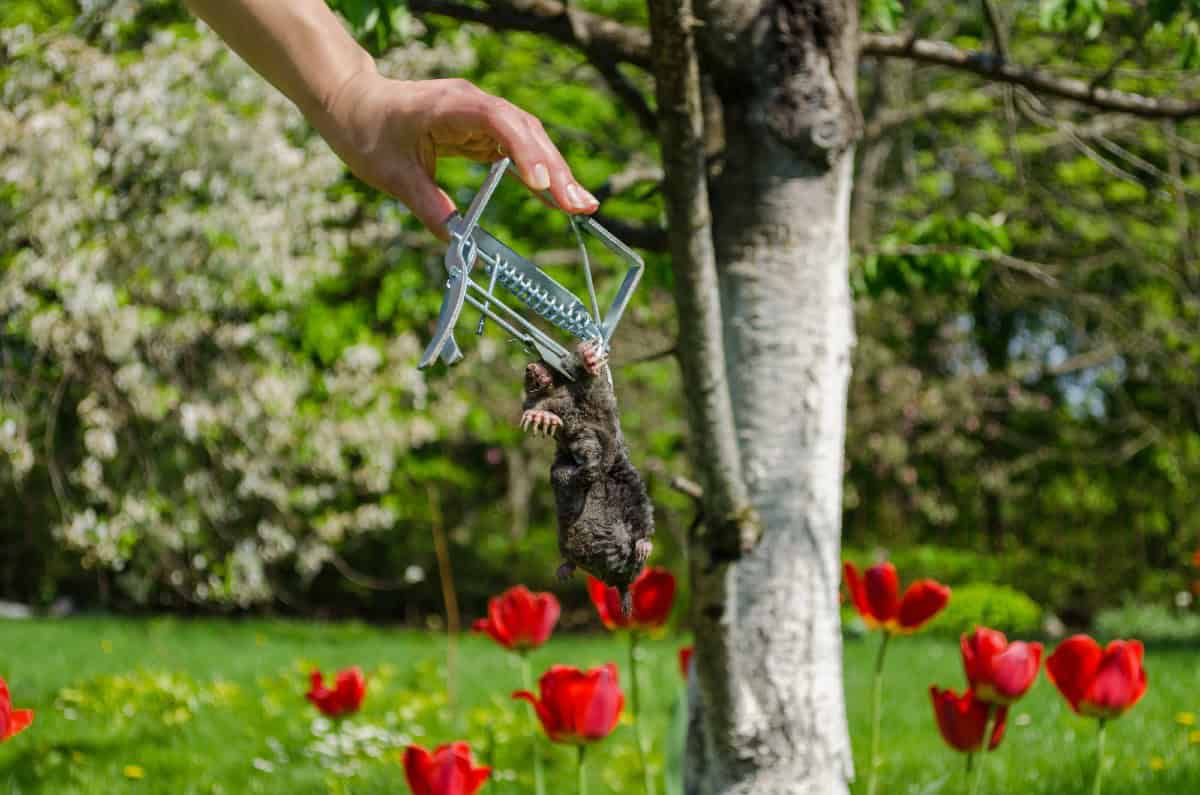
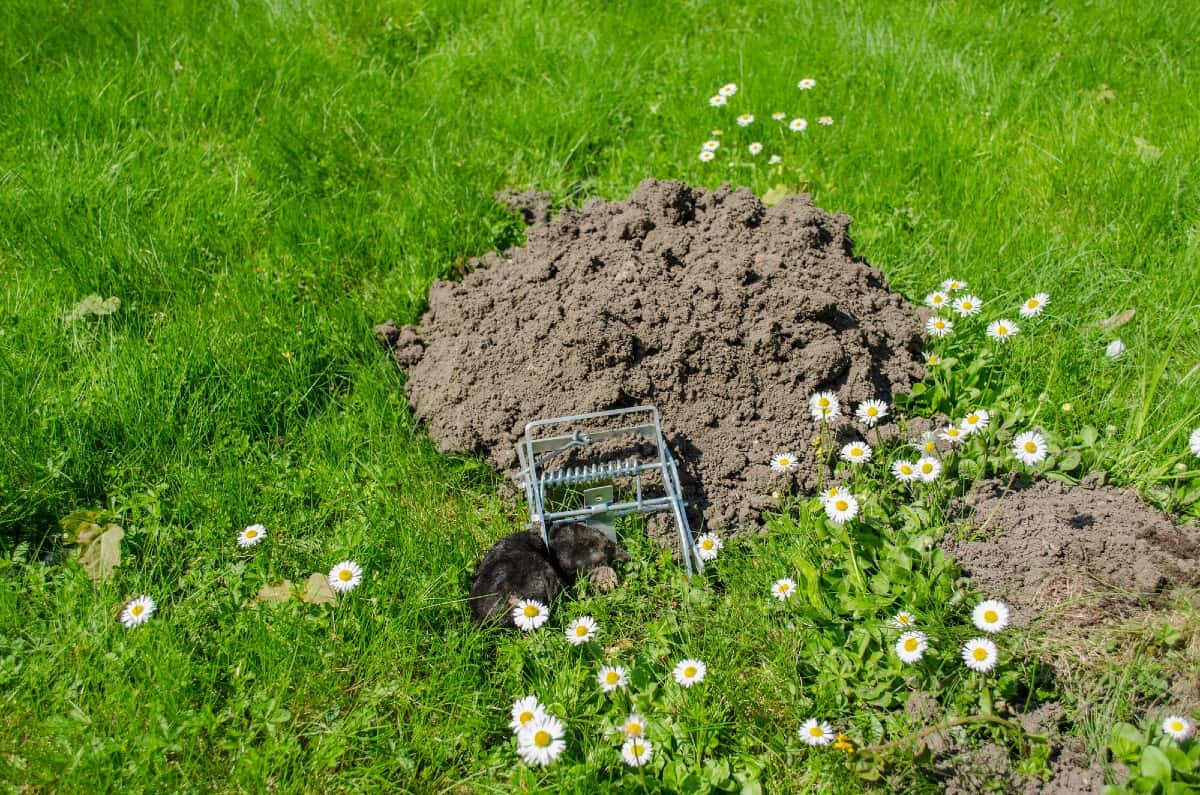
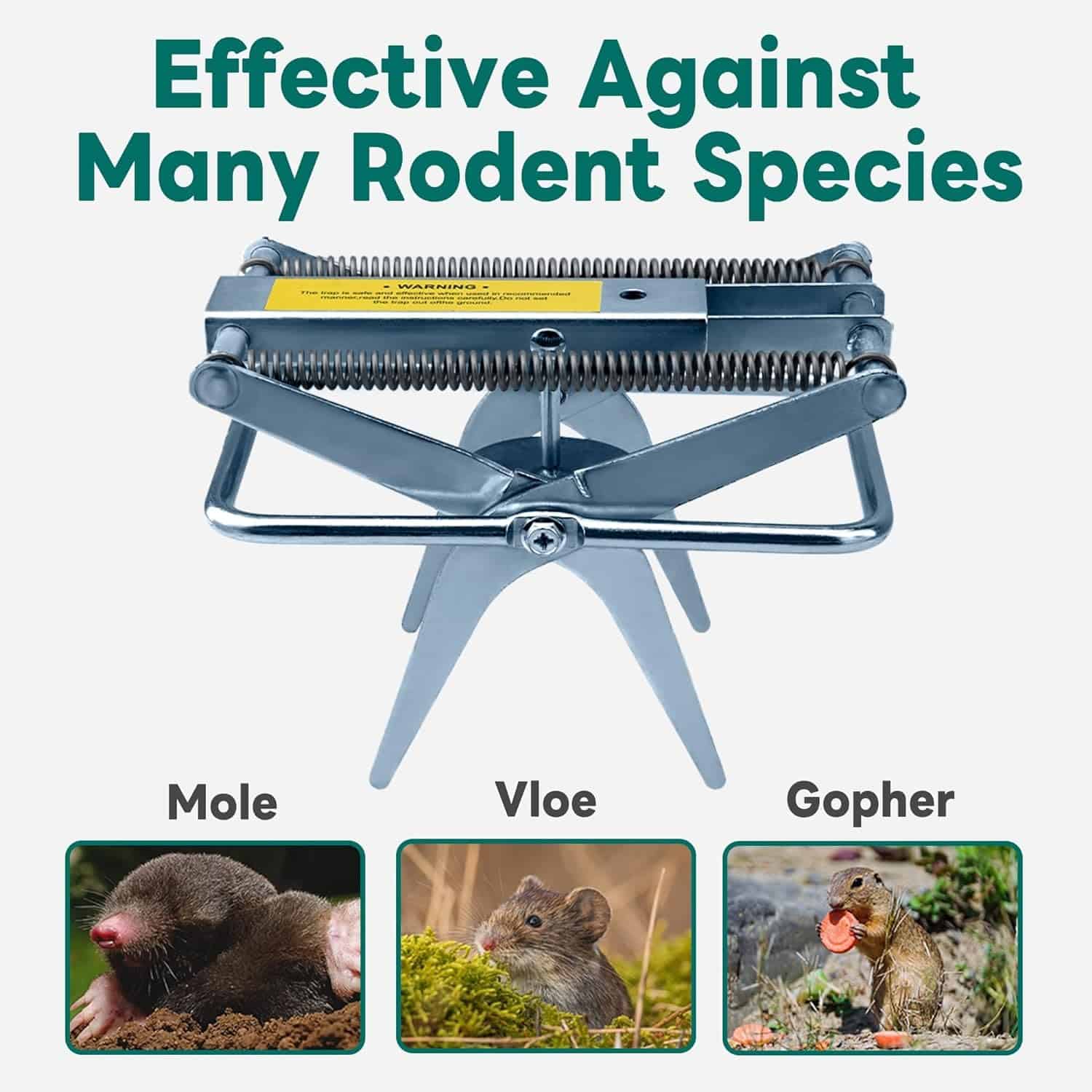
- Scissor traps: The workhorse of farm mole control. Set into active tunnels, these spring-loaded traps are quick, effective, and can be used repeatedly.
- Harpoon traps: Spring-loaded spikes that trigger when a mole passes underneath. Popular because they’re easy to set and highly effective.
- Choker loop traps: Place in tunnel runs and tighten around the mole when triggered.
The farmer’s trapping strategy: Unlike homeowners who might set one or two traps, farmers often deploy dozens or even hundreds across their property. They know the most active areas (usually near irrigation lines or field edges) and concentrate their efforts there.
Pro tip from farmers: Check traps daily. Moles move fast, and empty traps mean you’re missing opportunities. Plus, on a working farm, time is money.
2. Poison Baits: The Controversial but Effective Method
The reality: Many large-scale farmers use poison baits because they’re efficient for covering large areas. This isn’t suburban backyard mole control—this is industrial-scale pest management.
Common agricultural mole poisons:
- Zinc phosphide: Professional-grade rodenticide shaped like earthworms (moles’ favorite food)
- Strychnine: Restricted pesticide available only to licensed professionals in many areas
- Anticoagulant baits: Similar to rat poison but formulated for moles
Important notes:
- Many of these require special licensing or certification
- Farmers must follow strict regulations about use near crops and water sources
- There are withdrawal periods before harvesting crops in treated areas
- This method is declining due to environmental concerns and regulations
We’re not recommending this approach for homeowners—farmers using these methods have training, licensing, and are following agricultural regulations. For your backyard, stick with traps.
3. Fumigation: Smoking Out the Problem
Some farmers use smoke bombs or gas cartridges inserted into mole tunnels. Light them, seal the entrance, and the carbon monoxide does the rest.
Why farmers use this method:
- Can treat multiple tunnels at once
- Works well in combination with other methods
- Relatively inexpensive
The downside:
- Moles often escape through other exits
- Only works in active, occupied tunnels
- Can be dangerous if used improperly
- Environmental concerns in some areas
4. The Farm Cat/Terrier Brigade
Don’t underestimate the power of a good barn cat or a determined terrier. Many farmers keep working dogs and cats specifically for pest control, and moles are definitely on the menu.
Farm animals that hunt moles:
- Jack Russell Terriers: Bred specifically for vermin control, these dogs are mole-hunting machines
- Rat Terriers: The name says it all
- Barn cats: Opportunistic hunters who patrol fields looking for surface-traveling moles
- Even chickens: Will eat moles if they catch them (chickens are savage when you think about it)
On many farms, this is the first line of defense—natural, self-sustaining, and the “employees” work for food and shelter.

How Do Farmers Kill Moles in the Winter?
Winter mole control presents unique challenges. Moles don’t hibernate—they just dig deeper where the ground isn’t frozen. Here’s how farmers adapt their strategies for cold weather:
Winter Mole Control Strategies
1. Deep Trapping
Farmers set traps in deeper tunnel systems below the frost line. Moles retreat to these permanent tunnels in winter, making them more predictable targets.
2. Winter Bait Stations
Some farmers use underground bait stations that stay accessible even when the surface is frozen. These are checked and refilled throughout winter.
3. The Waiting Game
Many farmers actually prefer winter mole control because:
- Moles concentrate in fewer, deeper tunnels
- Snow makes new mole activity obvious (you can see tunnel ridges)
- Frozen ground limits where moles can dig
- It’s the off-season, giving farmers more time for pest management
4. Spring Preparation
Smart farmers use winter to prepare for spring mole season by:
- Maintaining and repairing traps
- Mapping active tunnel systems
- Planning spring control strategies
- Ordering supplies for the busy season
The farmer’s winter advantage: Moles are less active in winter but more concentrated in predictable areas. A well-placed trap in a main winter runway can catch multiple moles over the season.

How Do Farmers Kill Moles Naturally? Chemical-Free Farm Methods
With increasing regulations and consumer demand for organic farming, many farmers are turning to natural mole control methods. Here’s what actually works at farm scale:
1. Habitat Modification
What farmers do:
- Reduce soil moisture: Better drainage means fewer earthworms, which means fewer moles
- Deep tilling: Destroys existing tunnel systems (though moles will rebuild)
- Crop rotation: Some crops attract fewer earthworms than others
- Soil compaction: Strategic compaction in high-traffic areas makes digging harder
2. Beneficial Predators
Farmers encourage natural mole predators by:
- Installing owl boxes: Barn owls eat moles that surface at night
- Maintaining hedgerows: Provide habitat for hawks and other raptors
- Keeping farm cats: The original organic pest control
- Allowing snakes: Bull snakes and others will enter mole tunnels hunting
3. Physical Barriers
For high-value areas like gardens and orchards, some farmers install:
- Underground fencing: Hardware cloth buried 2-3 feet deep
- Gravel barriers: Moles avoid digging through gravel
- Raised beds: Lined with hardware cloth at the bottom
4. Castor Oil Treatments
Some organic farmers use castor oil-based repellents on a large scale. They mix concentrated castor oil with water and apply it to fields using spray equipment.
Does it work? Results are mixed. Castor oil may encourage moles to move to other areas, but on a large farm, “other areas” might just be the next field over. It’s more of a “move the problem” than “solve the problem” approach.
5. The Integrated Approach
Most successful organic farmers don’t rely on one method—they combine multiple strategies:
- Trapping in high-priority areas
- Encouraging natural predators
- Habitat modification where possible
- Physical barriers around vulnerable crops
- Accepting some mole activity in low-priority zones
The reality: Natural methods on farms require more time and labor than chemical approaches, but they’re sustainable long-term and align with organic certification requirements.
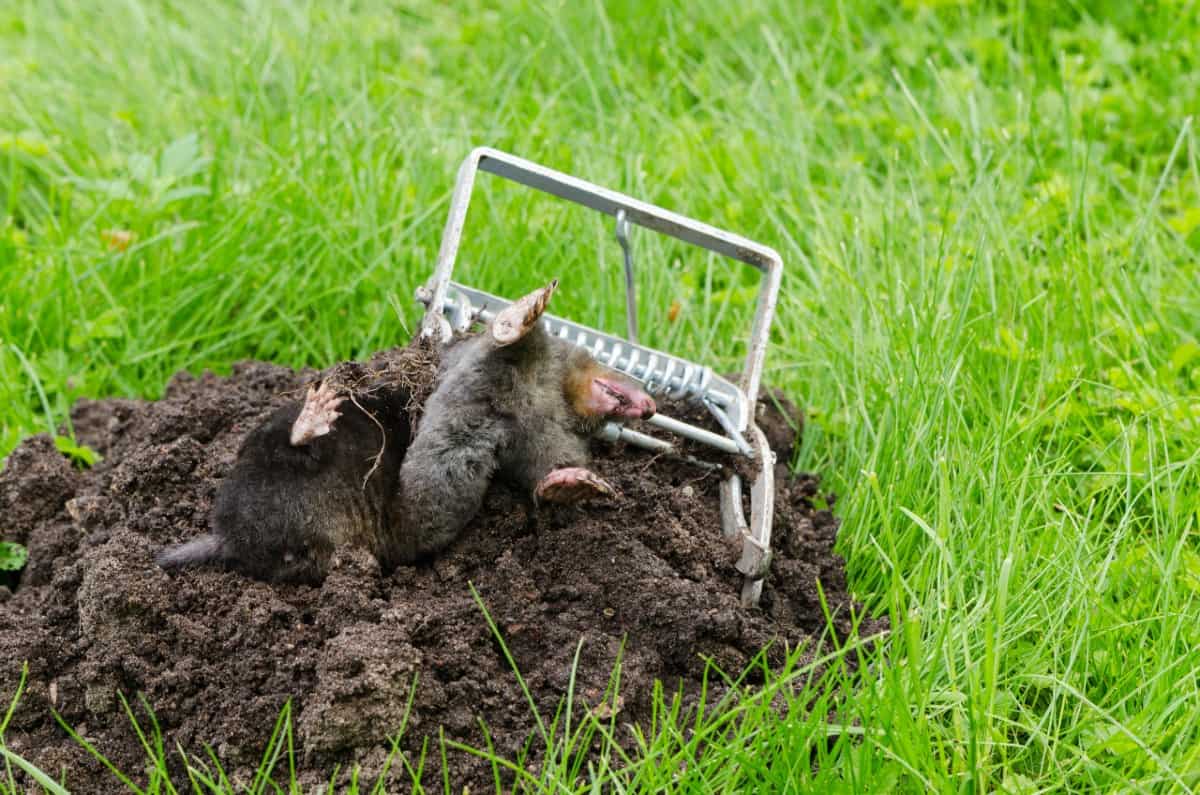
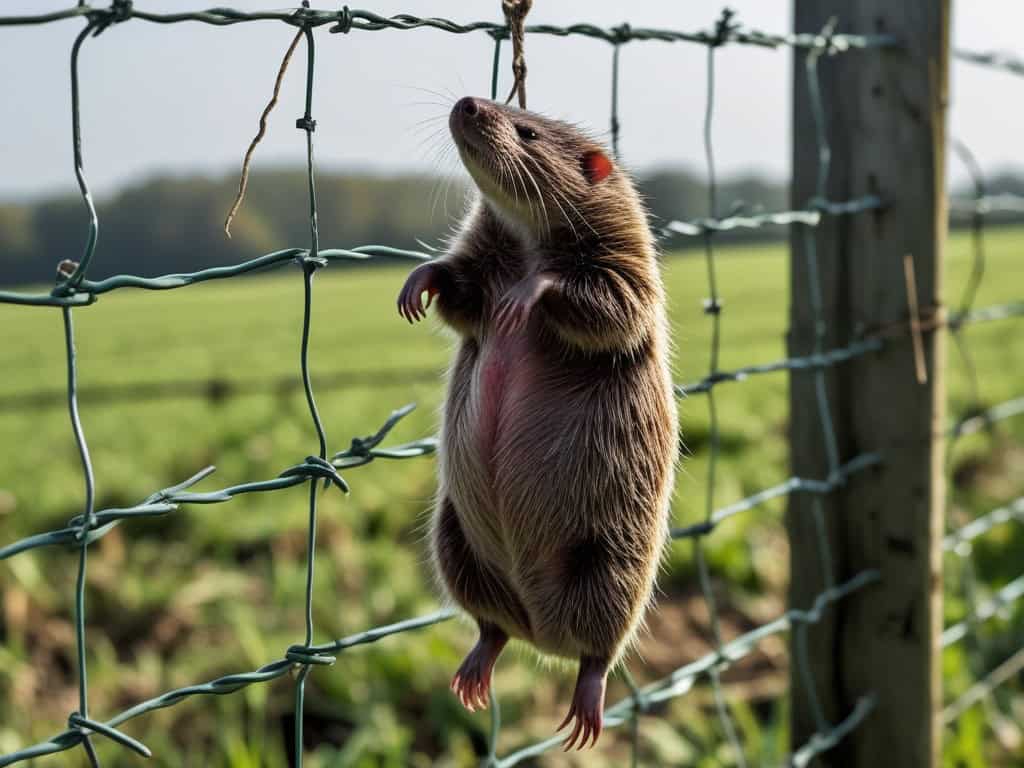
Why Do Farmers Hang Moles on Fences? The Curious Tradition
If you’ve ever driven past a farm and seen dead moles (or other pests) hanging on a fence, you’ve witnessed an old agricultural tradition that looks bizarre to modern eyes. Let’s unpack this practice.
Historical Reasons for the Mole Fence Display
1. Proof of Work
In the past, farmers would hire professional mole catchers who were paid per mole. Hanging the moles on a fence provided visible proof of how many were caught, ensuring fair payment.
2. Territory Marking
Some believed (incorrectly) that hanging dead moles would warn other moles to stay away. While this doesn’t actually work (moles don’t read warning signs), the tradition stuck.
3. Farm Pride
Displaying moles was a way to show neighbors and passersby that you were actively managing your land. It was agricultural signaling: “This farm is well-maintained.”
4. Superstition and Tradition
Various folk beliefs held that hanging moles would prevent more from coming, bring good luck, or protect crops. These beliefs varied by region and culture.
Modern Perspective
Today, hanging dead moles on fences is:
- Much less common than it used to be
- Sometimes seen as distasteful or barbaric
- Still practiced by some old-school farmers as tradition
- Often frowned upon in suburban areas
Most modern farmers simply dispose of moles in more conventional ways (composting, burial, or trash) rather than displaying them. The practice has largely become a curious relic of agricultural history.
Fun fact: In medieval England, farmers were required by law to hang a certain number of pest animals on their fences each year to prove they were controlling vermin. The tradition has deep roots!
How Do Farmers Get Rid of Moles in the Garden?
Farm gardens face unique challenges because they need intensive pest control but can’t use methods that might contaminate food crops. Here’s the farmer’s approach to garden mole control:
Garden-Specific Strategies
1. Raised Beds with Hardware Cloth Bottoms
Many farm gardens use raised beds lined with 1/4″ hardware cloth. Moles can’t get through, and you’ve created a mole-free growing zone.
2. Intensive Trapping Around Garden Perimeter
Farmers place traps in a defensive ring around gardens, catching moles before they reach vegetables. This “perimeter defense” strategy is highly effective.
3. Companion Planting
Some farmers plant mole-deterring plants around garden edges:
- Daffodils and alliums (moles avoid the bulbs)
- Marigolds (strong scent)
- Castor bean plants (toxic to moles, but also toxic to humans, so use carefully)
4. The Farm Cat Patrol
Farm cats often hang around gardens because gardens attract mice and voles. While they’re there, they’ll opportunistically catch surface-traveling moles too.
5. Manual Tunnel Destruction
In small garden areas, farmers simply collapse tunnels daily. This constant disruption eventually encourages moles to move elsewhere where they can tunnel in peace.
What Farmers DON’T Use in Gardens
- Poison baits (too close to food crops)
- Toxic fumigants (contamination risk)
- Chemical repellents (can affect vegetable flavor)
Food safety is paramount in farm gardens, so only mechanical and physical control methods are used near edible crops.
How Do Farmers Keep Moles Away? Prevention Strategies
The best farmers don’t just react to mole problems—they prevent them. Here’s how experienced farmers minimize mole activity on their land:
Long-Term Prevention Tactics
1. Water Management
Control irrigation carefully to avoid creating ideal conditions for earthworms (mole food):
- Use drip irrigation instead of flooding
- Improve drainage in problem areas
- Avoid overwatering
2. Soil Management
- Reduce grub populations: Fewer grubs = less mole food = fewer moles
- Monitor soil health: Healthy, well-balanced soil attracts fewer pests overall
- Strategic tilling: Regular tilling in certain areas disrupts tunnel systems
3. Border Control
Moles often enter fields from wooded edges or neighboring properties. Farmers focus control efforts on these entry points:
- Intensive trapping along field edges
- Maintaining grassed buffer strips (easier to spot mole activity)
- Creating unfavorable habitat at property lines
4. Year-Round Vigilance
Successful farmers don’t take breaks from mole control:
- Monitor fields weekly for new activity
- Address problems immediately before they spread
- Keep traps set in known problem areas
- Track which areas have recurring issues
5. Working with Nature
- Maintain owl boxes and raptor perches
- Allow beneficial predators on the property
- Keep hedgerows and fence lines that support predatory birds
- Accept that some mole activity is inevitable on large properties
Modern Technology: How Today’s Farmers Combat Moles
While traditional methods still dominate, some high-tech farmers are adopting modern mole control technology:
Tech-Forward Approaches
1. Ultrasonic and Vibration Devices
Some farmers experiment with electronic mole deterrents that create vibrations or sounds. Results are highly variable—some swear by them, others call them useless.
2. GPS Mapping of Mole Activity
Large operations use GPS to map mole tunnel systems, track control efforts, and identify problem hotspots. This data-driven approach helps optimize trapping efforts.
3. Drone Monitoring
Drones with specialized cameras can spot mole hills and tunnel ridges across large acreage, helping farmers identify new activity quickly.
4. Precision Application Equipment
For farmers who use repellents or treatments, GPS-guided sprayers ensure precise application only where needed, reducing costs and environmental impact.
The Farmer’s Mole Control Calendar
Experienced farmers time their mole control efforts to maximize effectiveness:
Spring (Peak Mole Season)
- Deploy maximum traps as moles become very active
- Monitor daily for new tunnel systems
- Focus on protecting newly planted crops
Summer
- Maintain traps in problem areas
- Reduce soil moisture to make habitat less attractive
- Monitor irrigation systems for mole-caused leaks
Fall
- Intensive control before ground freezes
- Map deeper tunnel systems
- Set up winter control stations
Winter
- Target deeper, permanent tunnels
- Prepare equipment for spring
- Plan next year’s strategy

What Homeowners Can Learn from Farmers
While you probably don’t need industrial-scale mole control for your suburban lawn, farmers’ approaches offer valuable lessons:
Lessons from the Farm:
- Consistency matters: Farmers don’t give up after one attempt. Persistent, ongoing control works better than sporadic efforts.
- Know your enemy: Understanding mole behavior helps you target them effectively.
- Use the right tool: Professional-grade traps work better than cheap alternatives.
- Prevention is easier than cure: Make your property less attractive to moles in the first place.
- Early intervention saves work: Address mole problems immediately before they become infestations.
- Some battles aren’t worth fighting: Farmers often accept low-level mole activity in non-critical areas.
What NOT to copy from farms:
- Large-scale poison baits (often require licensing)
- Industrial fumigation methods
- Hanging moles on your suburban fence (your HOA will not be amused)
The Bottom Line: How Farmers Really Kill Moles
After centuries of experience, farmers have developed a practical, multi-pronged approach to mole control:
Primary methods:
- Mechanical traps (scissor, harpoon, choker loops)
- Natural predators (cats, dogs, owls, hawks)
- Habitat modification (drainage, soil management)
- Strategic prevention (focusing on high-value areas)
Secondary methods (decreasing in use):
- Poison baits (heavily regulated, declining)
- Fumigation (environmental concerns)
- Chemical repellents (mixed effectiveness)
The modern farmer’s philosophy: Combine the best traditional methods with new technology, focus efforts where they matter most, and accept that complete mole elimination is neither necessary nor possible on large properties.
Farmers kill moles because they have to protect their livelihood, but the most successful farmers do it efficiently, humanely, and in ways that don’t harm their crops, livestock, or the environment. That’s a balancing act they’ve been perfecting for generations.
So the next time you’re frustrated by a few mole hills in your lawn, remember: farmers are dealing with the same problem at a scale 100 times larger, and they’ve figured out what actually works. Maybe it’s time to borrow some of their tried-and-true tactics!
Happy mole hunting!
The Moles.org Team
Want more mole control advice? Check out our guides on mole traps, natural mole deterrents, and understanding mole behavior. At Moles.org, we help homeowners learn from agricultural wisdom—minus the tractor requirement!