

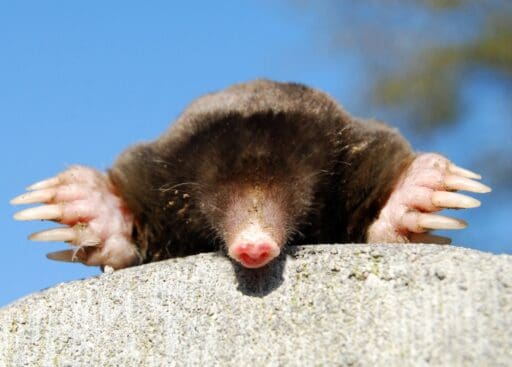

How Big Do Moles Get? The Quick Answer
If you’re here for the TL;DR version, here’s the short answer:
Average adult mole size:
- Length: 4-7 inches (10-18 cm) from nose to tail
- Weight: 2.5-4.5 ounces (70-130 grams)
- Height: About 1-1.5 inches tall when standing
- Width: Roughly 1.5-2 inches across
In practical terms: An adult mole is about the size of a potato or a large hot dog. Not exactly the underground monsters you might have imagined when you saw the lunar landscape they created in your lawn, right?
Despite their small size, moles punch way above their weight class when it comes to lawn destruction. After battling these critters in our own yards for years, we can confidently say that size doesn’t matter when it comes to mole damage—these tiny terrors are incredibly efficient at destroying perfectly good lawns.
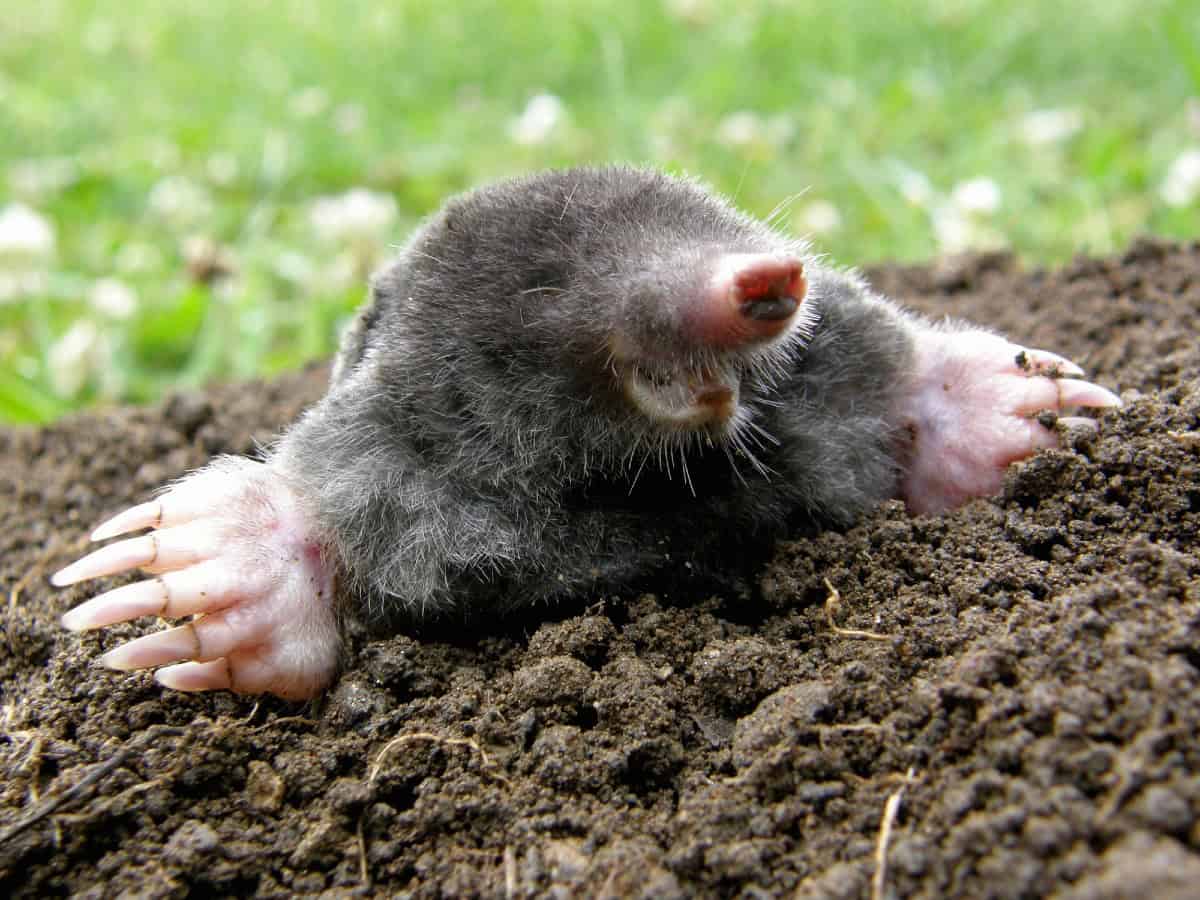
How Big Do Ground Moles Get? Breaking Down the Details
Let’s get more specific about ground mole dimensions, because “how big do ground moles get” deserves a detailed answer from people who’ve actually caught and examined these critters up close (that’s us!).
Length: Nose to Tail Measurements
Body length: 4-6 inches
Tail length: 1-1.5 inches
Total length: 5-7.5 inches on average
The most common species in North America—the Eastern mole—typically maxes out around 6-7 inches total length. That’s shorter than a dollar bill (which is 6.14 inches, in case you’re measuring moles with currency for some reason).
From our experience: When you actually catch a mole in a trap, your first reaction is usually “THIS is what destroyed my entire lawn?!” They’re shockingly small for the amount of damage they can cause. It’s like finding out your home invasion was committed by a hamster.
Weight: How Much Does a Mole Weigh?
Average weight: 3-4 ounces (85-115 grams)
Large males: Up to 4.5-5 ounces (130-140 grams)
Smaller females: 2.5-3.5 ounces (70-100 grams)
To put this in perspective:
- Lighter than a baseball (5 ounces)
- About the weight of a deck of cards (3.5 ounces)
- Roughly equivalent to a large egg (2 ounces) to a small apple (4 ounces)
- Significantly lighter than a hamster (5-6 ounces)
During our mole-catching days at Moles.org, we were consistently amazed at how something so light could create tunnels you could actually feel collapsing under your feet. They’re like the hollow-boned birds of the mammal world—small package, big impact.
Body Dimensions: Width and Height
Width: 1.5-2 inches at the widest point (shoulders)
Height: About 1-1.5 inches when standing
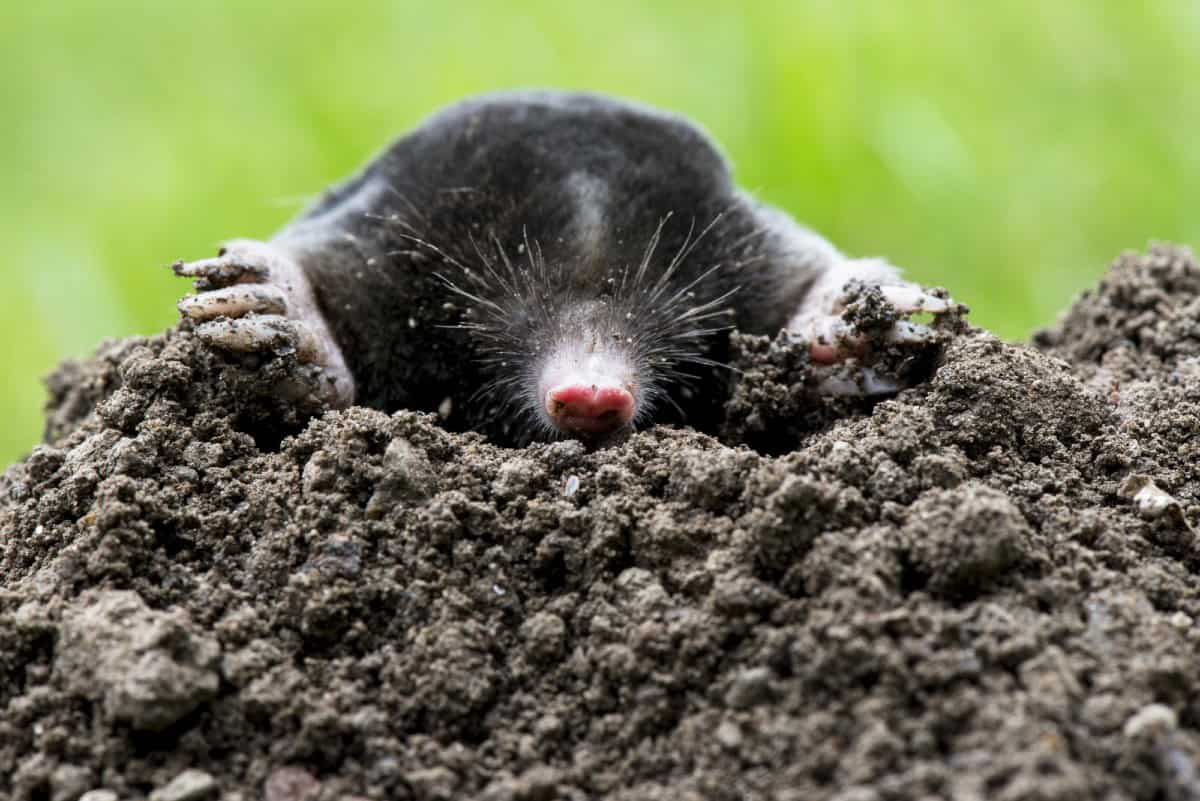
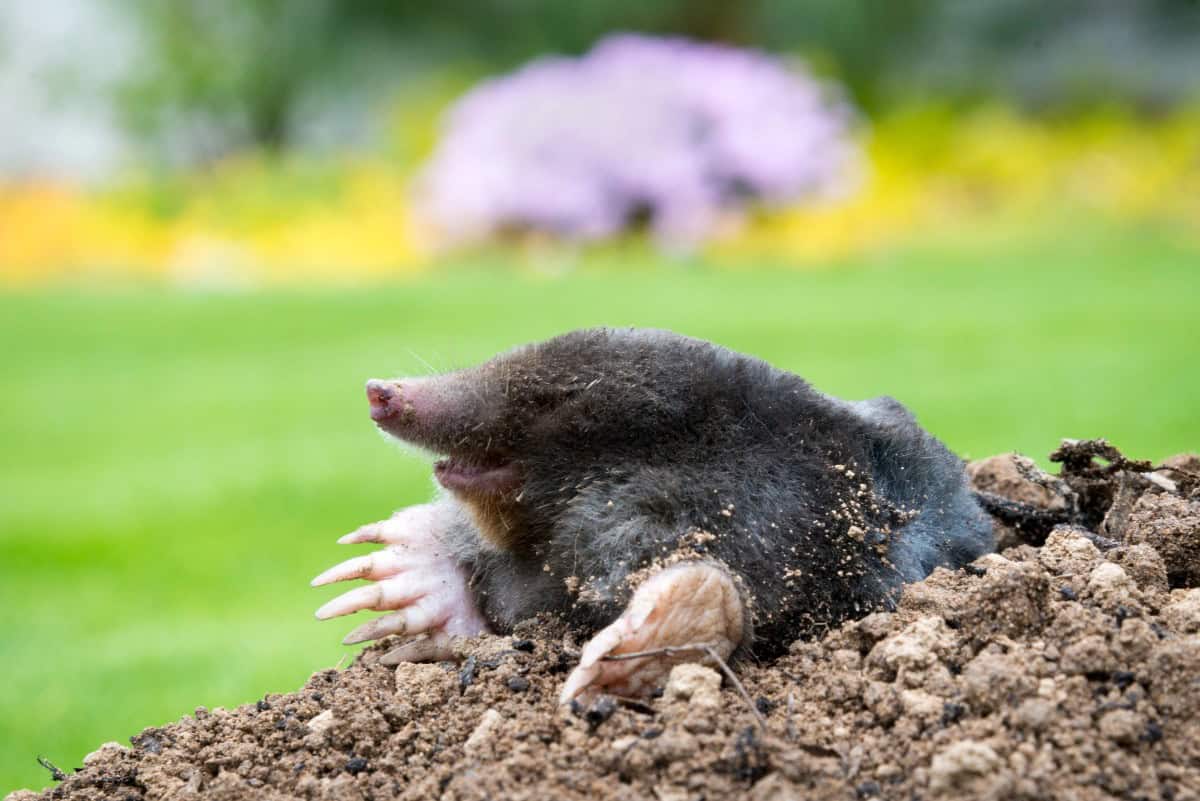
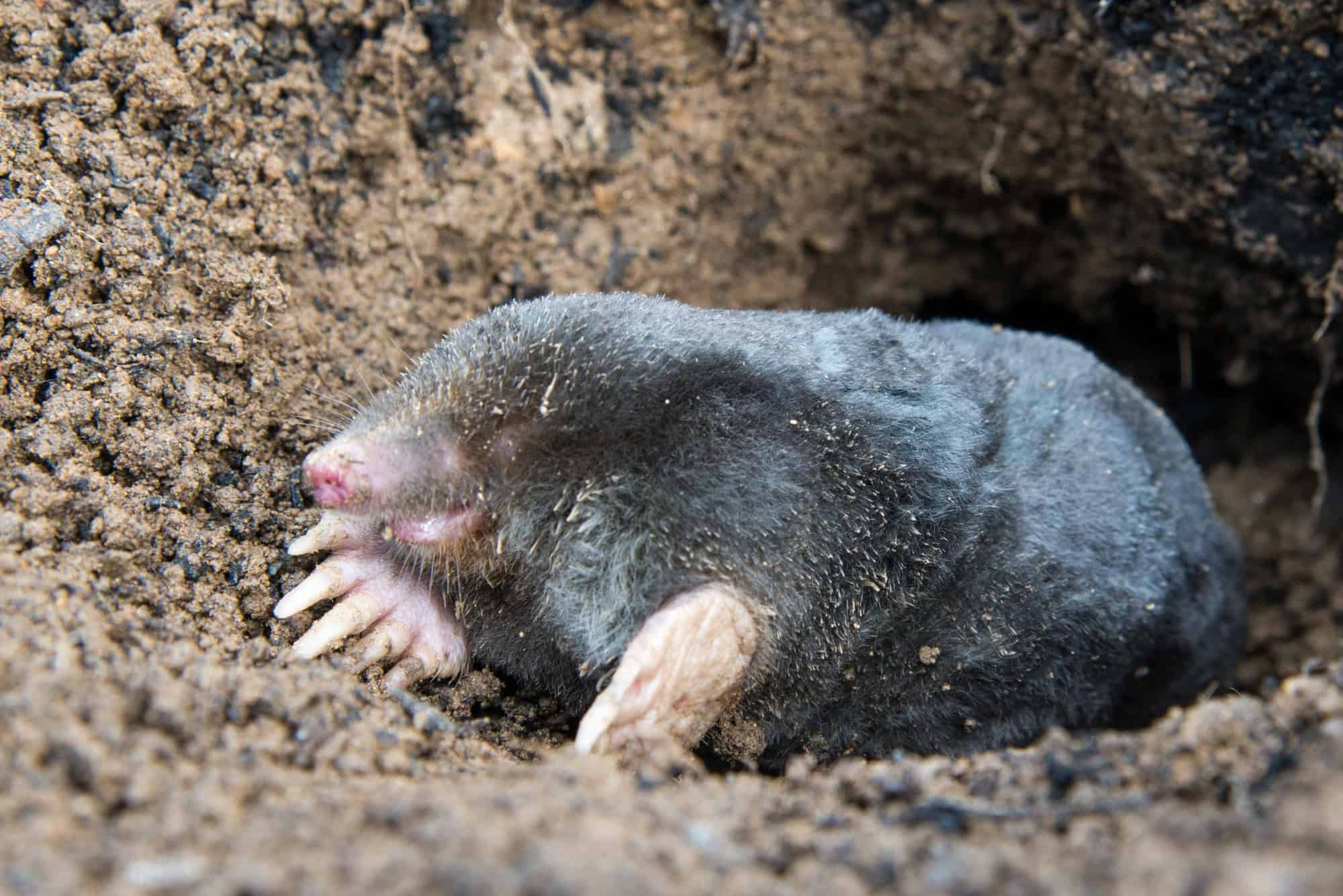
Moles have cylindrical bodies perfectly shaped for their underground lifestyle. Imagine a fuzzy torpedo with legs, and you’ve got the basic mole body plan.
Why this matters: Knowing mole dimensions helps you identify their tunnels. Mole tunnels are typically 2-3 inches in diameter—just big enough for their cylindrical bodies to move through comfortably. This is actually how we learned to distinguish mole tunnels from vole runways during our battle years.
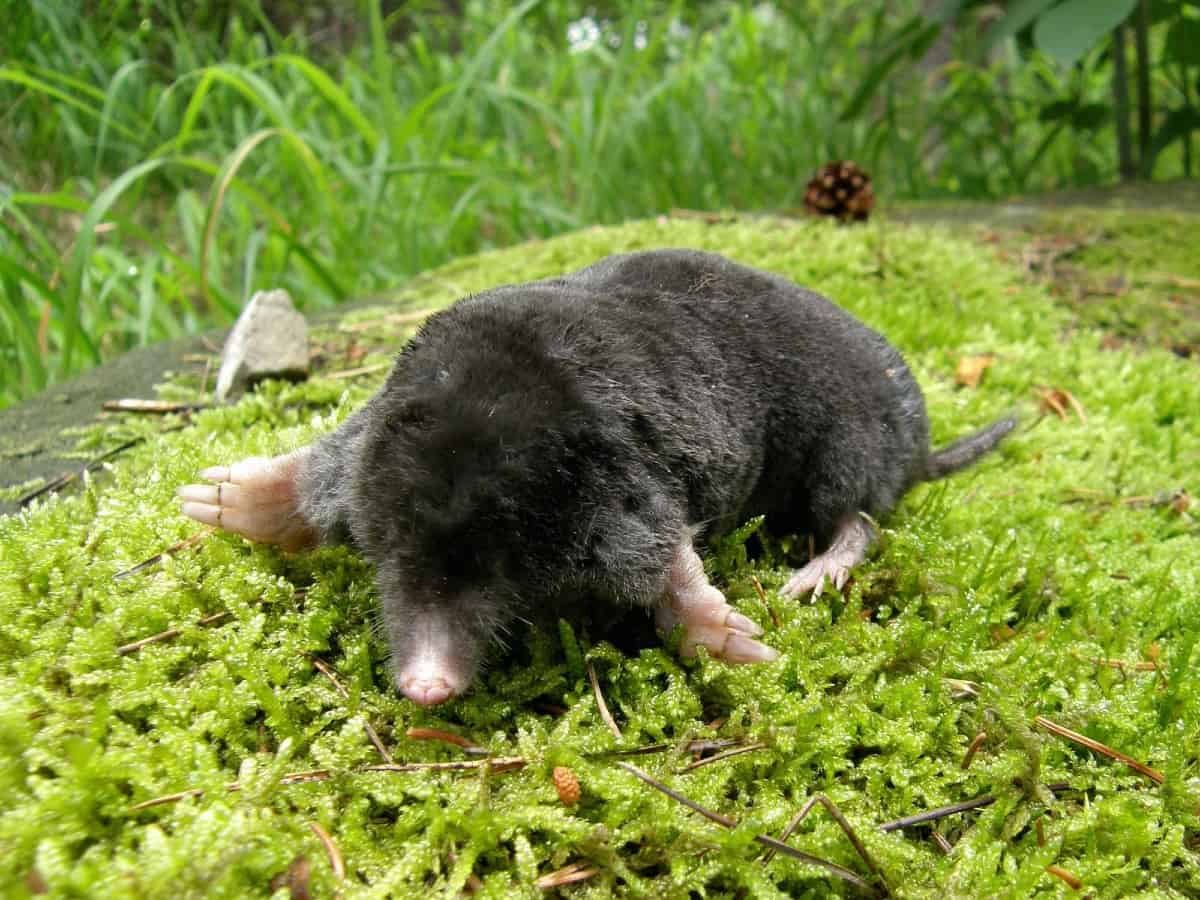
How Big Do Moles Get Compared to Other Critters?
When people ask “how big do moles get,” they’re often trying to figure out if what’s in their yard is actually a mole or something else. After years of mole warfare, we at Moles.org have become experts at identification. Let’s compare moles to similar-sized animals:
Moles vs. Similar-Sized Animals
Mole (3-4 oz, 6-7 inches):
- Cylindrical body
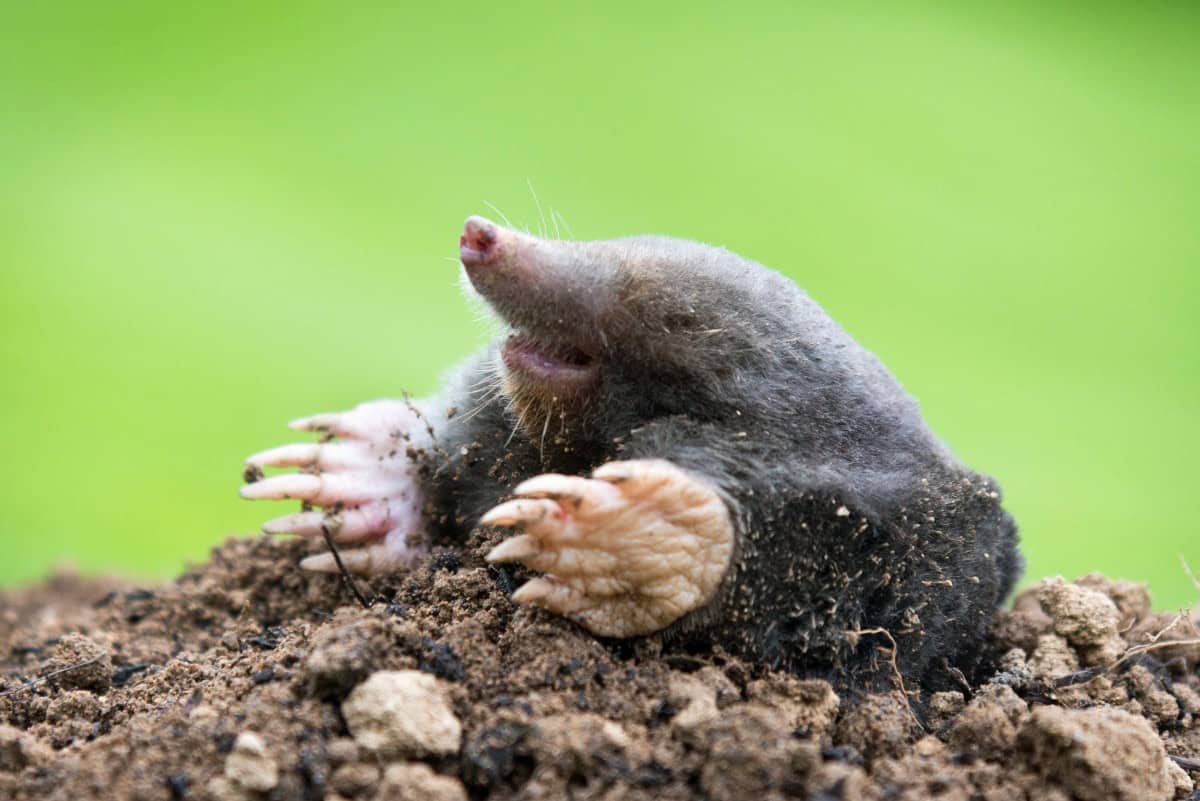
- Large front paws for digging
- Tiny eyes (almost invisible)
- No external ears
- Pointed snout
- Short, stubby tail
Mouse (0.5-1 oz, 3-4 inches): Much smaller and lighter than moles. If you can easily see its eyes and ears, it’s not a mole.
Vole (1-2 oz, 5-7 inches): Similar length to moles but much lighter. Looks like a chubby mouse with a short tail. Visible eyes and ears. Often confused with moles but creates different damage (surface runways vs. tunnels).
Shrew (0.1-0.5 oz, 3-4 inches): Much smaller than moles. Lightning-fast metabolism. Will literally eat their own body weight in insects daily (moles are lazy in comparison).
Chipmunk (2-5 oz, 8-11 inches including tail): Longer than moles, with distinctive stripes. Lives above ground. Actually kind of cute (unlike moles, which look like… well, moles).
Hamster (5-6 oz, 5-7 inches): Chunkier and heavier than moles. Makes a terrible pet (tried to domesticate a mole once—do not recommend).
Pro tip from Moles.org: If you can clearly see the animal’s eyes and ears, it’s not a mole. Moles have tiny, almost invisible eyes and no external ears. They’re built for underground living, not Instagram selfies.
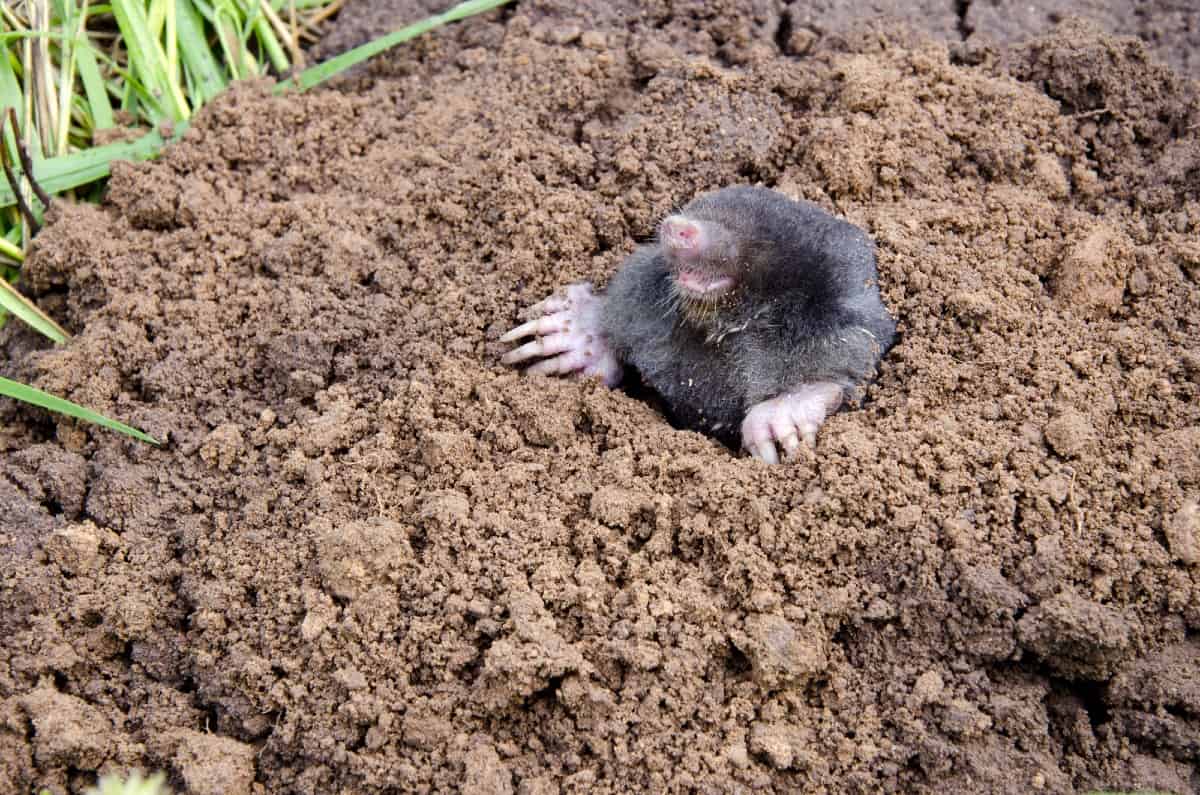
Size Differences by Mole Species
Not all moles are created equal size-wise. Here’s a breakdown of common species you might encounter:
Eastern Mole (Most Common in Eastern US)
Size: 5-7 inches, 3-4 ounces
Our experience: This is the species that terrorized our yards for years. Medium-sized, incredibly efficient diggers, and responsible for about 95% of lawn destruction in the eastern United States.
Star-Nosed Mole (Northern US, Canada)
Size: 6-8 inches, 1.5-2.5 ounces
Distinction: Lighter than Eastern moles but slightly longer. Famous for their bizarre 22-tentacled nose that looks like a alien face-hugger. If you see one, you’ll know—they’re unmistakable and slightly horrifying.
Coast Mole (Pacific Northwest)
Size: 5.5-7 inches, 3-5 ounces
Note: Similar in size to Eastern moles. West Coast readers, your moles are just as annoying as ours!
Townsend’s Mole (Pacific Northwest)
Size: 8-9 inches, 4-6 ounces
Distinction: The LARGEST mole in North America. Nearly twice the weight of an Eastern mole. If you’re in the Pacific Northwest and your moles seem unusually large, this is probably your culprit.
Hairy-Tailed Mole (Northeastern US)
Size: 5-6 inches, 1.5-2 ounces
Note: Smaller and lighter than Eastern moles. Named for their distinctive hairy tail (other moles have nearly hairless tails).
Broad-Footed Mole (California)
Size: 6-7 inches, 2.5-3.5 ounces
Distinction: California has its own special moles because of course California does.
How Big Do Baby Moles Get? Growth Stages
Ever wondered what baby moles look like and how they grow? We’ve researched this extensively (though thankfully never had a nursery chamber in our yard—that would have been too much).
Mole Growth Timeline
At Birth (Newborn Mole Pups):
- Length: About 1 inch
- Weight: 0.1-0.2 ounces (3-6 grams)
- Appearance: Pink, hairless, blind, completely helpless
- Size comparison: About the size of a lima bean
At 2 Weeks:
- Length: 2-2.5 inches
- Weight: 0.5-0.7 ounces
- Changes: Fur growing in, eyes still closed
At 4 Weeks:
- Length: 3-4 inches
- Weight: 1-1.5 ounces
- Changes: Fully furred, learning to dig, weaned from mother
At 6-8 Weeks (Juvenile):
- Length: 4-5 inches
- Weight: 2-2.5 ounces
- Status: Independent, digging own tunnels, leaving mother’s territory
At 10-12 Months (Adult):
- Length: 5-7 inches (full size)
- Weight: 3-4 ounces (adult weight)
- Status: Sexually mature, established territory, ready to create more lawn-destroying offspring
Pro tip from our experience: If you catch a smaller mole (under 3 ounces), it’s likely a juvenile. This actually helps with timing your control efforts—catching young moles in spring before they establish territories can prevent future problems.
Why Mole Size Matters for Control (Lessons from Our Battle Years)
After years of fighting moles at Moles.org, we learned that understanding mole size is actually crucial for effective control. Here’s why:
1. Trap Selection
Knowing that moles are 3-4 ounces and 6 inches long helps you choose the right trap size. We wasted money on traps that were too large or too small before we understood mole dimensions. Standard mole traps are designed for animals this size—not for the badger-sized monsters we initially imagined.
2. Tunnel Identification
Mole tunnels are 2-3 inches in diameter because moles are 1.5-2 inches wide. If you see larger tunnels (4+ inches), you’re probably dealing with voles, rats, or other animals. This knowledge saved us from setting mole traps for non-mole problems multiple times.
3. Understanding Damage Potential
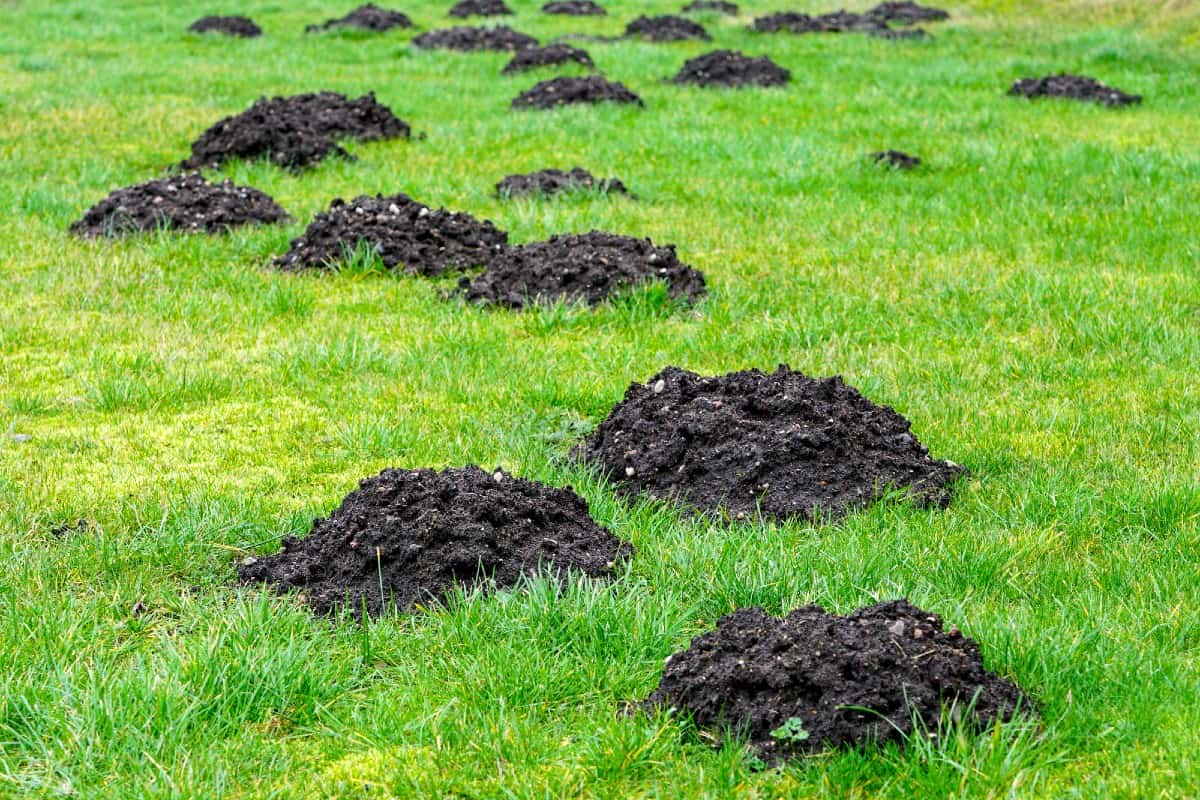
A 3-ounce mole can dig 100+ feet of tunnel per day and move 500 pounds of soil per year. Understanding that such a small animal causes such massive damage helps you appreciate why control is necessary and why you shouldn’t feel guilty about addressing the problem.
4. Population Estimation
Knowing adult mole weight helps estimate how many moles you’re dealing with. If you’re catching 2-ounce moles, they’re juveniles, which means there’s likely a breeding adult nearby.
Mole Size Myths We Believed (Until We Caught Actual Moles)
During our early mole-fighting days, we believed some ridiculous things about mole size. Let’s debunk them:
Myth #1: “The Damage is So Bad, They Must Be Huge!”
Reality: Nope. Even a 3-ounce mole can absolutely destroy a lawn. We learned this the hard way when we finally caught our first mole and were shocked at how small it was.
Myth #2: “Older Moles Get Bigger”
Reality: Moles reach adult size by 10-12 months and don’t keep growing. That monster mole you’re imagining has been living under your yard for years? It’s still only 6 inches long.
Myth #3: “Well-Fed Moles Get Huge”
Reality: While a mole in an earthworm paradise might be slightly heavier, they don’t get dramatically bigger. Moles have a fairly standard size range regardless of food availability.
Myth #4: “Male Moles are Much Bigger Than Females”
Reality: Males are slightly heavier (maybe 0.5-1 ounce), but the difference isn’t dramatic. You can’t look at a mole and immediately say “that’s definitely a male” based on size alone.
Myth #5: “The Mole Hills Keep Getting Bigger, So the Mole Must Be Growing”
Reality: Bigger mole hills just mean deeper digging or different soil conditions, not a bigger mole. We tracked this obsessively during our mole wars and confirmed the moles stayed the same size even as the hills varied.
How to Identify a Mole by Size (Field Guide from Experience)
Here’s what we learned from years of actually catching and examining moles:
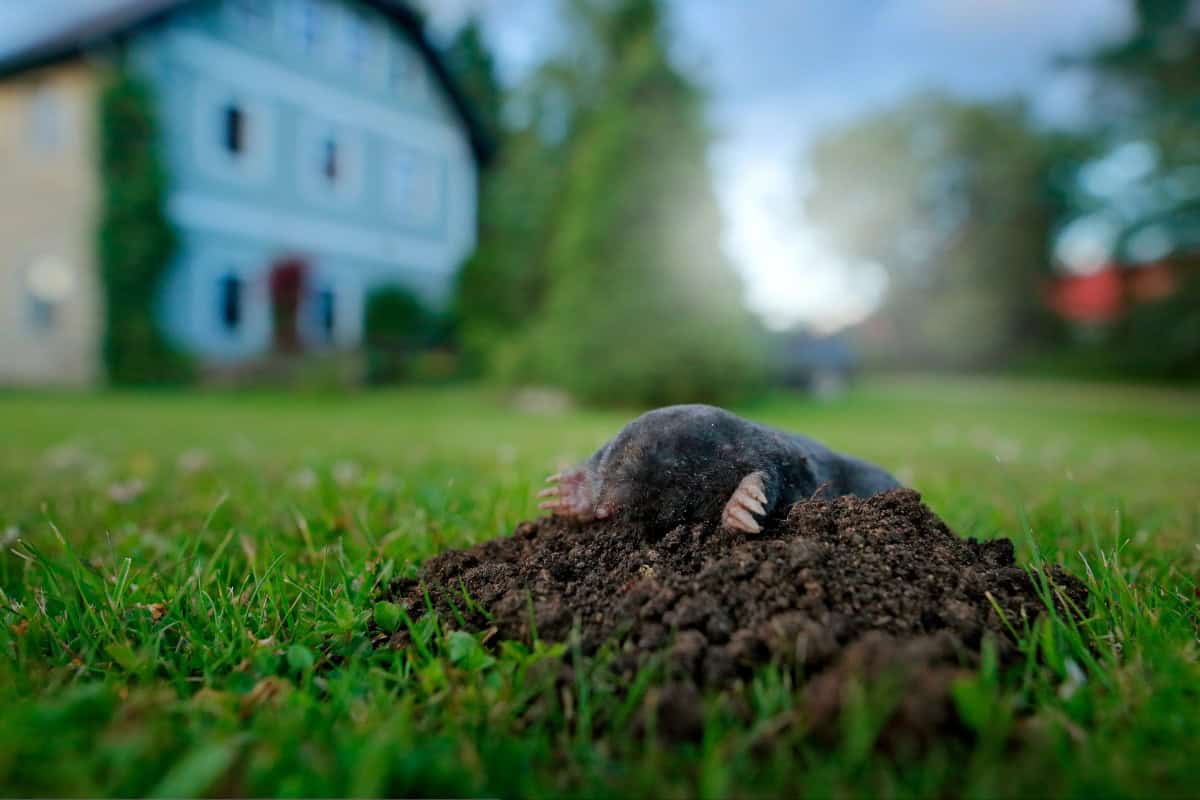
If You See the Animal Above Ground:
It’s definitely a mole if:
- Body length is 5-7 inches
- Looks cylindrical (shaped like a fuzzy hotdog)
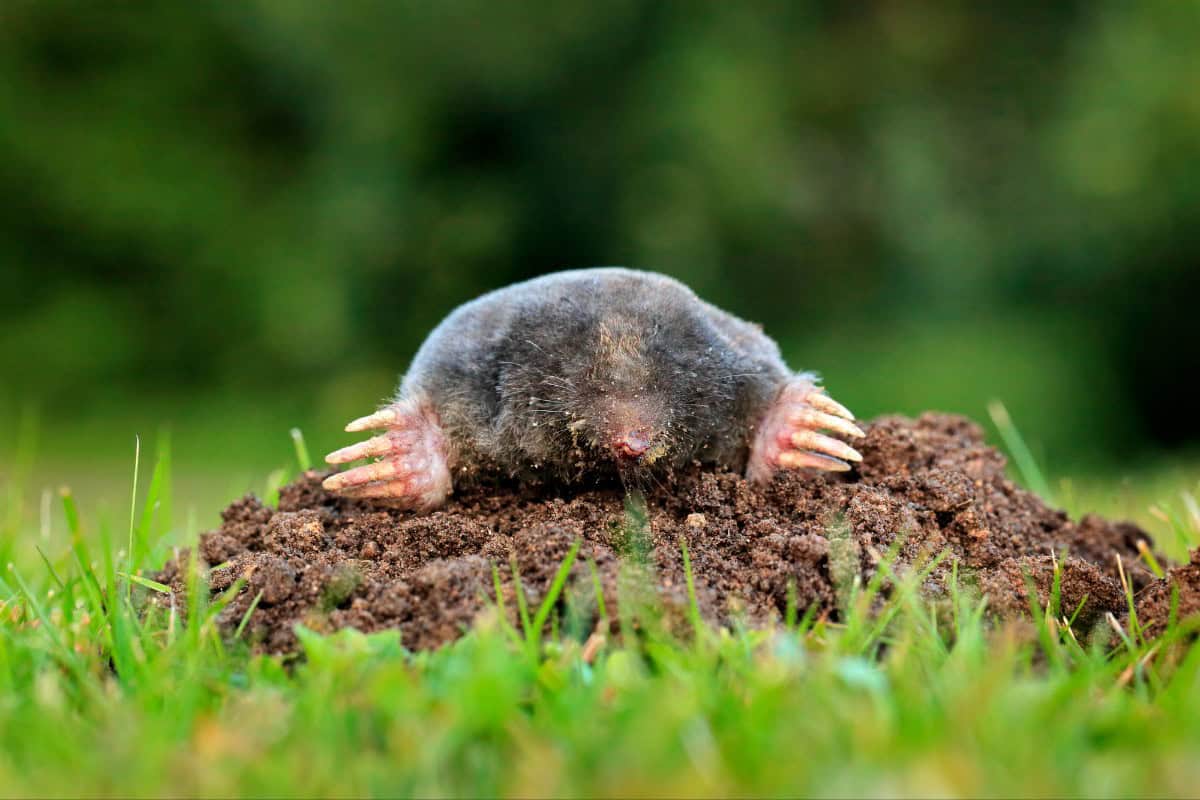
- Has enormous front paws (disproportionately large)
- Eyes are tiny or invisible
- No visible external ears
- Pointed snout
- Silvery-gray or brown velvet-like fur
It’s probably NOT a mole if:
- You can clearly see its eyes and ears
- It’s significantly smaller (under 4 inches) or larger (over 9 inches)
- It has stripes or distinctive markings
- It moves quickly above ground (moles are awkward surface travelers)
- It’s climbing or in a tree (moles are terrible climbers)
If You’ve Caught One in a Trap:
Measurements to confirm it’s a mole:
- Weighs 2.5-5 ounces (use a kitchen scale)
- Measures 5-8 inches nose to tail
- Front paws are huge compared to body
- Tail is short and stubby (1-1.5 inches)

Fun Size Comparisons (Because Why Not?)
After handling moles for years, we’ve come up with some entertaining size comparisons:
A mole is approximately the same size as:
- A large russet potato
- A full-size hot dog in a bun
- Your smartphone (length-wise)
- A can of soda (diameter and length)
- A burrito (the regular size, not the monster burrito)
- A rolled-up pair of socks
- Three golf balls in a row
- Half a subway sandwich
A mole weighs about the same as:
- 20 quarters
- A deck of cards
- Two AA batteries
- A small apple
- Your TV remote
None of these comparisons make moles sound impressive, right? Yet somehow these potato-sized creatures turned our lawns into disaster zones. That’s the mole magic—maximum destruction, minimum size.
What We Learned at Moles.org: Size Edition
After years of battling moles in our own yards, here’s what we learned about their size:
1. Small doesn’t mean harmless. A 3-ounce mole can do thousands of dollars of lawn damage. Don’t underestimate them because they’re tiny.
2. Knowing mole size helps you win. Understanding their dimensions helps you choose the right traps, identify their tunnels, and distinguish them from other animals.
3. They’re bigger than you expect (but smaller than you feared). Most people are surprised when they see their first mole—bigger than a mouse, smaller than a rat, and way more destructive than either.
4. Size consistency is useful. Unlike some animals that have huge size variation, most moles fall into a predictable size range. This makes identification and control more straightforward.
5. Baby moles grow fast. From bean-sized to full-grown in just a few months. That’s why spring control is so important—catch them before they mature.
How Moles.org Can Help with Your Mole Problem
Whether you’re dealing with one 3-ounce mole or an entire colony, we’re here to help. We’ve been where you are—staring at destroyed lawns, trying to figure out what’s happening underground, and wondering how something so small can cause such big problems.
What makes us different: We’re not just experts—we’re survivors of years-long mole wars. We’ve tried everything, made every mistake, and finally figured out what actually works. Now we share that hard-won knowledge at Moles.org.
Resources we offer:
- Detailed guides on mole identification and behavior
- Honest reviews of mole traps and control methods (we’ve tested them all)
- Step-by-step tutorials on mole removal
- Answers to every mole question you can think of
- Real experience from people who’ve actually dealt with moles, not just read about them
Whether your mole is 2 ounces or 5 ounces, 4 inches or 8 inches, we can help you deal with it. We’ve caught moles of every size, and we’ve learned what works (and what doesn’t).
The Bottom Line: How Big Do Moles Get?
After all that detail, let’s bring it home:
Standard adult ground mole: 5-7 inches long, 3-4 ounces in weight, shaped like a fuzzy cylinder with giant digging paws.
They’re small enough to hold in your hand (if you catch one, which we have, multiple times). They’re light enough that you’d barely notice the weight. But they’re destructive enough to turn your beautiful lawn into something that looks like a WWI battlefield.
That’s the mole paradox we discovered during our years of battle: tiny animal, massive impact.
Remember: At Moles.org, we’re here to help with all your mole issues. We speak from experience—painful, lawn-destroying, frustrating experience. But we made it through to the other side, and so can you.
Now you know how big moles get. Next question: how do you get rid of them? Good news—we’ve written about that too! Browse our other guides, and let’s solve your mole problem together.
From all of us at Moles.org—happy mole hunting!
Have questions about moles? Want to share your own mole battle stories? Contact us at Moles.org! We’re always here to help fellow mole warriors. Check out our other guides on mole behavior, mole traps, and natural mole deterrents. We’ve tested everything so you don’t have to!