

Welcome to the Great Yard Mole Debate
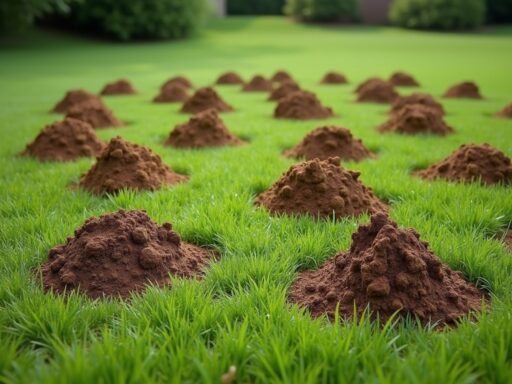
Picture this: You wake up on a beautiful Saturday morning, coffee in hand, ready to admire your pristine lawn. You step outside and… what fresh hell is this? Your once-smooth yard now looks like a miniature mountain range. Congratulations, you’ve been visited by nature’s tiny, blind demolition crew: moles.
At Moles.org (yes, we’re those people who literally named our website after moles), we get asked this question constantly: “Are moles bad for your yard?” The short answer? It’s complicated. The long answer? Well, that’s what you’re about to read.
Let’s dive into the underground world of yard moles and settle this debate once and for all—with science, humor, and a healthy dose of reality.
Table of Contents: Your Mole Knowledge Roadmap
- Why Are Moles Bad for Your Yard? The Damage Report
- Are Moles Good for Your Yard? The Plot Twist
- The Final Verdict: Good or Bad?
- How Bad Are Moles Really? A Scale of Destruction
- The Real Cost of Mole Damage
- The Best Solution: Wire Tek Mole Eliminator
- Preventing Future Mole Invasions
Why Are Moles Bad for Your Yard? Let’s Count the Ways
Okay, let’s start with the bad news first. Because if you’re here reading this, you probably just looked out your window and your lawn resembles a war zone.
1. Those Ridiculous Mole Hills (Molehills, If You Will)
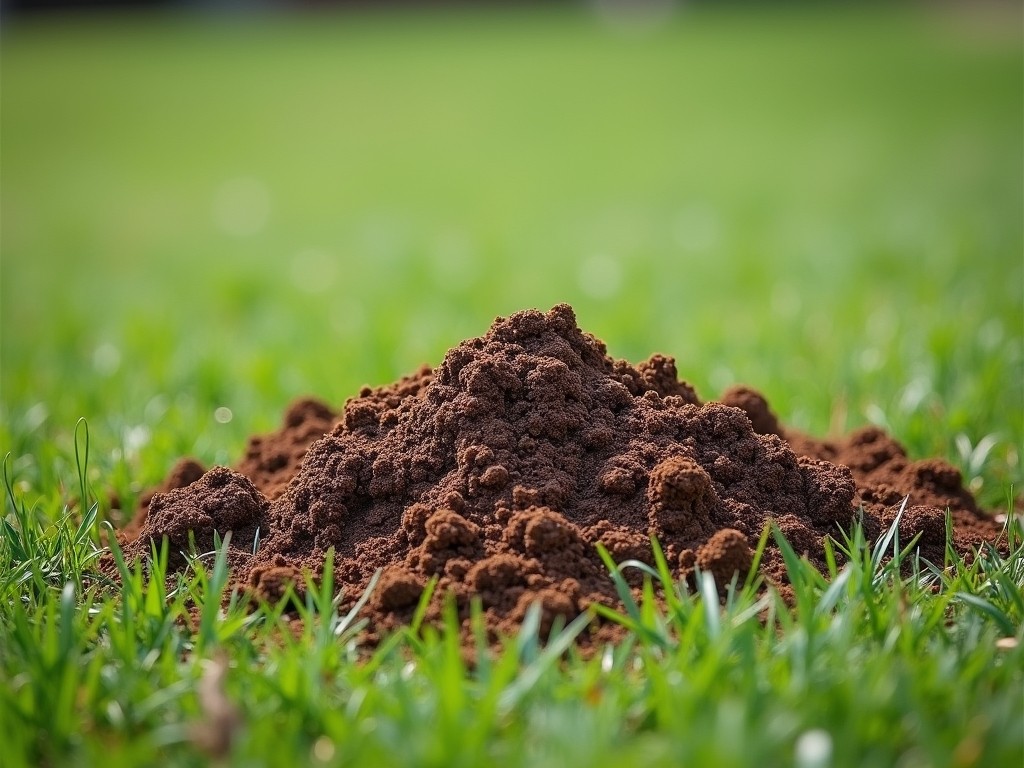
The most obvious problem: mole hills everywhere.
What they are: Piles of excavated dirt pushed up from below as moles dig their tunnel systems. Think of them as tiny volcanoes, except instead of lava, they’re erupting your topsoil all over your nice grass.
Why they’re annoying:
- They’re ugly (understatement of the year)
- They ruin your lawn’s aesthetics
- They make mowing a nightmare
- They smother the grass underneath
- They multiply faster than you can flatten them
- Your neighbors judge you (we know, we know)
The Moles.org reality check: One mole can create 3-5 molehills per day. Yes, per day. These little overachievers are basically landscaping terrorists.
2. The Surface Tunnel Network (AKA Your Lawn’s Subway System)
But wait, there’s more! Beyond the visible molehills, you’ve got the raised ridges—those squishy tunnels just beneath the surface.
The damage:
- Creates raised bumps that make your yard look like a topographical map
- Damages grass roots as tunnels push them up
- Makes walking treacherous (twisted ankle, anyone?)
- Impossible to mow evenly
- Ruins your golf putting green dreams
- Makes your yard feel spongy and unstable
Fun fact from your friends at Moles.org: A single mole can dig tunnels at a rate of 15-18 feet per hour. That’s faster than most people walk. These guys don’t mess around.
3. Root and Plant Damage
Here’s where it gets expensive: plant casualties.
How moles damage plants:
- Direct root damage: Tunneling severs roots, especially of young plants
- Air pockets: Tunnels create air spaces around roots, causing them to dry out
- Root exposure: Raised tunnels expose roots to air and temperature extremes
- Bulb destruction: They don’t eat bulbs, but their tunneling damages them
- Seedling death: Young plants can’t establish roots in unstable, tunneled soil
What’s at risk:
- Flower beds and gardens
- Young trees and shrubs
- Vegetable gardens
- Newly seeded grass
- Spring bulbs (tulips, daffodils)
- Your will to live as a homeowner
4. The Vole Highway Problem
Oh, you thought moles were your only problem? Plot twist!
The issue: Moles dig tunnels. Voles (different animals, equally annoying) use those tunnels as highways to access your plants’ roots. It’s like the mole is building the infrastructure, and voles are the freeloading tenants who actually eat your plants.
Voles will eat:
- Plant roots
- Bulbs
- Tree bark
- Pretty much anything green and growing
So even though moles themselves don’t eat plants (they’re insectivores), they’re enabling the ones that do. It’s like being mad at the landlord because the tenant is throwing loud parties.
5. Lawn Equipment Hazards
Let’s talk about what moles do to your relationship with lawn maintenance:
The lawn mower nightmare:
- Molehills hide rocks and debris that damage mower blades
- Uneven terrain causes scalping
- Raised tunnels make for inconsistent cutting height
- You’ll spend more time dodging molehills than actually mowing
- Blade sharpening costs increase
Other equipment issues:
- Aerators get damaged by collapsed tunnels
- Irrigation systems can be compromised
- Underground sprinkler lines may break from tunneling
- Buried utility lines could be exposed
6. The Aesthetic Disaster
Let’s be real: Your yard looks terrible.
We’re not going to sugarcoat this one. Moles turn manicured lawns into what can only be described as “abstract earth art.” And not the good kind.
The curb appeal crash:
- Your home value perception drops
- Embarrassing when hosting outdoor events
- Your HOA sends passive-aggressive letters
- Neighbors start avoiding eye contact
- Kids stop wanting to play on your lumpy lawn
- Your spouse gives you “the look”
7. The Psychological Warfare
This one’s real: The mental toll of mole infestation.
At Moles.org, we hear these stories all the time:
The emotional journey:
- Stage 1 – Denial: “It’s probably just one molehill…”
- Stage 2 – Anger: “WHY IS IT MULTIPLYING?!”
- Stage 3 – Bargaining: “Maybe if I just flatten them every morning…”
- Stage 4 – Depression: “What’s the point? They’ll just come back.”
- Stage 5 – Acceptance: “I guess I live on a mole sanctuary now.”
Real consequences:
- Obsessive molehill checking
- Spending weekends at war with underground rodents
- Becoming “that neighbor” who talks about moles constantly
- Googling “are moles bad for your yard” at 3 AM (hello, you’re here!)
- Considering moving to a condo with no yard
Wait, Are Moles GOOD for Your Yard? The Shocking Plot Twist
Okay, deep breath. Before you grab a shovel and declare war, let’s talk about the other side of this story. Because—and we say this as the literal experts at Moles.org—moles aren’t entirely evil.
(We know, we know. Hear us out.)
1. Free Pest Control
Here’s something most people don’t know: Moles eat the things that actually destroy your lawn.
A mole’s diet consists of:
- Grubs: Beetle larvae that eat grass roots (60-70% of diet)
- Earthworms: Okay, these are actually beneficial, but moles eat them anyway
- Insect larvae: Many of which harm your plants
- Ants and their larvae
- Centipedes and millipedes
- Slugs and snails (sometimes)
The grub situation: Japanese beetle grubs can devastate a lawn, eating grass roots and causing brown patches. Moles are like tiny, blind exterminators who work for free. They can consume 70-100% of their body weight in insects daily.
Translation: That mole tearing up your yard? He’s also eating hundreds of grubs that would otherwise kill your grass. It’s like having a security guard who occasionally kicks in your door while protecting you from burglars.
2. Natural Soil Aeration
You pay good money for lawn aeration services. Moles do it for free!
How mole tunneling helps:
- Breaks up compacted soil: Allows water, air, and nutrients to penetrate deeper
- Improves drainage: Reduces waterlogging and puddles
- Mixes soil layers: Brings nutrients from deep soil to surface
- Increases microbial activity: Better soil health overall
The irony: People pay $75-200 for professional aeration. Moles do similar work… while simultaneously ruining your lawn. It’s the world’s worst trade-off.
3. Soil Improvement and Mixing
Moles are actually tiny gardeners. Annoying, destructive tiny gardeners, but gardeners nonetheless.
Benefits of all that digging:
- Nutrient redistribution: Moves rich subsoil to the surface
- Organic matter mixing: Incorporates dead plant material into soil
- Improved soil structure: Creates better texture for root growth
- Increased earthworm activity: Wait, didn’t they eat earthworms? Yes, but they also create habitat for more
4. Garden Indicator Species
Here’s a silver lining: Moles indicate healthy soil.
The logic:
- Moles only live where there’s abundant food
- Abundant grubs/insects mean rich, organic soil
- If you have moles, your soil is probably pretty good
- It’s a backhanded compliment from nature
Translation: “Congratulations! Your soil is so healthy that wildlife wants to live there. Unfortunately, that wildlife is moles.”
5. They Don’t Actually Eat Plants
Let’s be clear about something: Moles are carnivores.
What moles DON’T do:
- Eat your vegetables
- Munch on flower roots
- Consume grass roots
- Nibble bulbs
- Damage plants intentionally
All plant damage is collateral damage from their tunneling and hunting activities. They’re not malicious plant-killers—they’re just really enthusiastic about finding bugs and have zero regard for your landscaping plans.
The vole clarification: If plants are being eaten, that’s probably voles (plant-eating rodents) using the mole tunnels. Don’t blame the mole for vole crimes!
6. Environmental Benefits
From a purely ecological standpoint (which is easy to appreciate when it’s not YOUR yard):
Moles provide:
- Biodiversity: Part of a healthy ecosystem
- Food source: For owls, hawks, foxes, and other predators
- Soil health: Long-term improvement of soil structure
- Natural pest control: Without chemicals
The environmentalist perspective: Moles are beneficial native wildlife performing important ecosystem functions. They deserve respect and protection.
The homeowner perspective: That’s great, but can they do it in someone else’s yard?
The Final Verdict: Are Moles Good or Bad for Your Yard?
Alright, moment of truth from the experts at Moles.org. After weighing all the evidence, here’s our official stance:
Moles Are Bad for Your Yard… Mostly
The reality: While moles provide some ecological benefits, the negatives significantly outweigh the positives for the average homeowner.
Why “bad” wins:
- The aesthetic damage is immediate and severe
- Repair costs exceed any “free” services moles provide
- Property value and curb appeal suffer
- The emotional toll isn’t worth the “benefits”
- Alternative solutions exist for grub control and aeration
The Exception Cases
Moles might be tolerable if you have:
- A large, wild property where aesthetics don’t matter
- Severe grub infestation (moles are the lesser evil)
- A naturalized, meadow-style landscape
- No plans to use your yard for anything
- Philosophical objections to harming wildlife
- Given up on life (just kidding… mostly)
For Everyone Else: It’s War
If you care about:
- A nice-looking lawn
- Property value
- Actually using your yard
- Not being the neighborhood eyesore
- Your sanity
Then yes, moles are bad for your yard, and you need to do something about it.

How Bad Are Moles for Your Yard? The Damage Scale
Let’s quantify this destruction with the official Moles.org Damage Scale:
Minor Infestation (1-2 Moles)
Damage level: 3/10
- 5-10 molehills
- A few surface tunnels
- Mostly annoying rather than destructive
- Can be managed with regular maintenance
- Your neighbors might not notice yet
Action needed: Act now before it escalates
Moderate Infestation (3-5 Moles)
Damage level: 6/10
- 15-30 molehills appearing regularly
- Extensive tunnel networks
- Visible plant damage
- Lawn looks obviously compromised
- Mowing is becoming difficult
- Neighbors are definitely noticing
Action needed: Immediate intervention required
Severe Infestation (6+ Moles or Established Population)
Damage level: 9/10
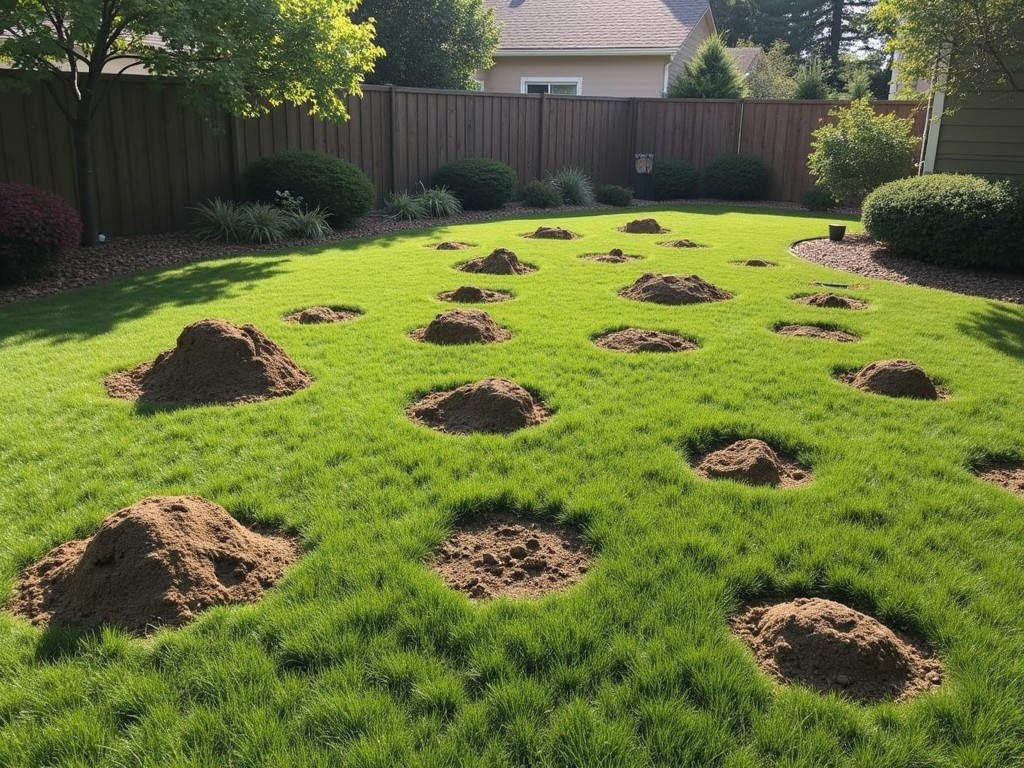
- 40+ molehills (you stopped counting)
- Your yard is more tunnel than soil
- Significant plant death
- Walking feels like a waterbed
- You’ve given up mowing
- HOA has sent multiple letters
- You’re considering arson (don’t)
Action needed: Professional help or serious DIY intervention
The “Mole Metropolis” (Ignore at Your Own Peril)
Damage level: 10/10 – Total Lawn Apocalypse
- Uncountable molehills
- More dirt on surface than grass
- Most plants are dead or dying
- Your yard is an ecosystem for underground wildlife
- The moles have won
- You’re looking at total lawn renovation costs ($$$)
Action needed: Time machine to go back and address this earlier
The Real Cost of Mole Damage
Let’s talk dollars and cents, because mole damage isn’t free to fix:
Direct Damage Costs:
Lawn Repair:
- Filling and leveling molehills: $200-500 DIY / $500-1,500 professional
- Reseeding damaged areas: $100-400
- Complete lawn renovation (severe cases): $2,000-10,000+
Plant Replacement:
- Lost flowers and shrubs: $50-500
- Garden replanting: $100-1,000
- Tree damage (young trees): $100-500 per tree
Equipment Damage:
- Mower blade replacement: $20-100
- Mower repairs from hitting molehills: $100-300
- Sprinkler system repairs: $150-500
Indirect Costs:
- Increased water usage: Damaged roots need more water ($50-200/year)
- Extra fertilizer: To compensate for stressed grass ($100-300/year)
- Time investment: Hours spent flattening molehills (priceless… or infuriating)
- HOA fines: If applicable ($50-500+)
- Lost property value: Difficult to quantify but real
Annual Cost of Doing Nothing:
Conservative estimate: $500-2,000 per year
Severe infestation: $2,000-5,000+ per year
The Moles.org math: Spending $50-200 on effective mole control now saves you thousands in damage over time. This is not where you want to skimp.
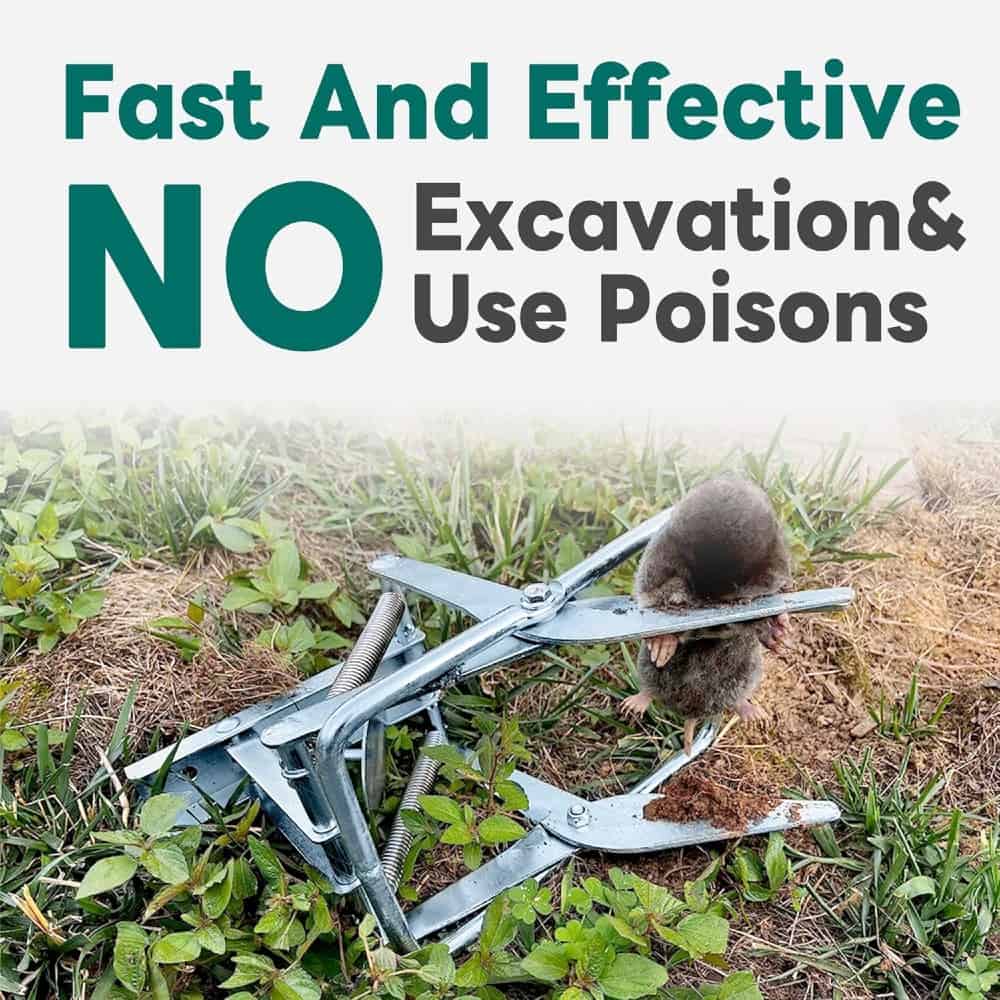
The Best Solution: Wire Tek 1001 Easyset Mole Eliminator Trap
Alright, you’ve read enough about the problem. Let’s talk about the solution.
After extensive research (and yes, at Moles.org we research mole removal like it’s our job—because it kind of is), we’ve found the most effective solution:
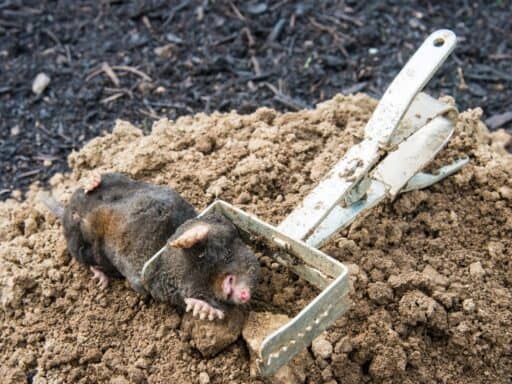
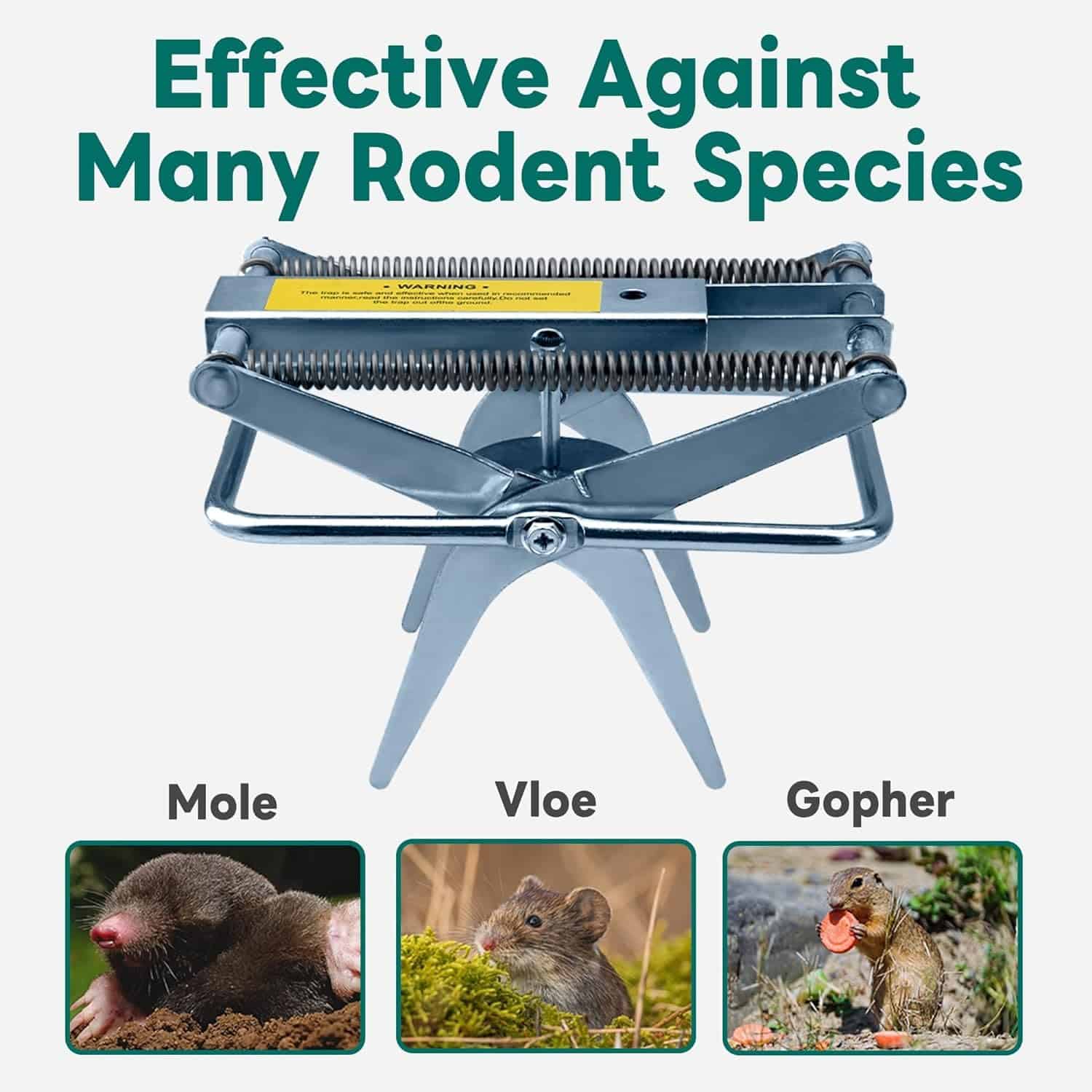
The Wire Tek 1001 Easyset Mole Eliminator Trap (2 Pack)
Why this trap is the gold standard:
1. It Actually Works
- Scissor-style trap that’s proven effective
- High success rate when properly placed
- Kills quickly and humanely
- Designed specifically for moles (not a generic trap)
2. Made in the USA
- Quality construction with durable materials
- Strong springs that won’t weaken over time
- Rust-resistant coating for longevity
- Supports American manufacturing
3. Easy to Use (The “Easyset” Isn’t a Lie)
- Simple setup—no engineering degree required
- Safety release mechanism
- Clear instructions included
- Can be reused indefinitely
- Works in all soil types
4. Cost-Effective
- Two-pack covers multiple tunnel systems
- One-time purchase vs. recurring repellent costs
- Lasts for years with proper care
- Far cheaper than professional removal ($300-600)
- Saves thousands in lawn damage
5. Professional-Grade Results
- Same trap type used by pest control professionals
- Reliable trigger mechanism
- Works on active tunnels
- Effective for all mole species
How to Use the Wire Tek Mole Eliminator
Step-by-step success:
- Identify active tunnels: Press down a section of raised tunnel. Check after 24 hours—if it’s pushed back up, it’s active.
- Prepare the tunnel: Flatten a 6-inch section of the active tunnel
- Set the trap: Place the trap over the flattened tunnel section, following included instructions
- Mark the location: Use a flag or marker so you remember where you set it
- Check regularly: Inspect traps every 24-48 hours
- Relocate if needed: If no success after 3 days, the tunnel may not be active—try a different location
- Use the 2-pack strategically: Place traps in different areas for maximum coverage
Why Traps Beat Other Methods
Compared to alternatives:
Traps vs. Poison:
- ✓ Traps: You know it worked (visible results)
- ✗ Poison: Mole may die in tunnel, no confirmation
- ✓ Traps: Safe for pets and other wildlife
- ✗ Poison: Risk to pets, owls, and other animals
Traps vs. Repellents:
- ✓ Traps: Permanent removal
- ✗ Repellents: Temporary deterrent (moles usually return)
- ✓ Traps: One-time cost
- ✗ Repellents: Ongoing expense
Traps vs. Professional Service:
- ✓ Traps: $30-60 one-time cost
- ✗ Professional: $300-600+ per service
- ✓ Traps: Reusable for future infestations
- ✗ Professional: New charge each time
Success Tips from Moles.org
Maximize your Wire Tek trap effectiveness:
- Timing matters: Set traps in early spring or fall when moles are most active
- Location, location, location: Focus on main tunnels (the deeper, straighter ones), not surface feeding tunnels
- Be patient: It may take a few days for a mole to trigger the trap
- Multiple traps: For serious infestations, consider buying multiple 2-packs
- Wear gloves: Minimize human scent on traps
- Stay persistent: If one trap location doesn’t work, try another
What to Expect
Realistic timeline:
- First catch: Usually within 1-5 days of proper placement
- Complete removal: 2-4 weeks for a small infestation
- Severe cases: May take 1-2 months with persistent effort
- New moles: Check periodically—new moles may move into the territory
Success rate: When properly placed in active tunnels, success rate is 80-90%. That’s far better than repellents (30-40%) or poison (50-60%).
The Investment Breakdown
Wire Tek 1001 cost: ~$30-60 for 2-pack
What you’re avoiding:
- Professional removal: $300-600
- Ongoing lawn damage: $500-2,000/year
- Lawn renovation: $2,000-10,000
- Your sanity: Priceless
ROI: If you catch just one mole, you’ve likely saved yourself hundreds in damage. The Wire Tek trap pays for itself many times over.
Preventing Future Mole Invasions
Congratulations! You’ve eliminated your moles with the Wire Tek trap. Now how do you keep them from coming back?
Long-Term Mole Prevention Strategies
1. Grub Control
The logic: No food = No moles
- Apply grub control in late spring/early summer
- Use beneficial nematodes (organic option)
- Maintain healthy grass (strong grass resists grubs)
- Don’t overwater (grubs love moist soil)
Reality check: This won’t eliminate ALL moles (they eat other insects too), but it reduces the food supply significantly.
2. Proper Lawn Maintenance
- Don’t overwater: Moist soil attracts grubs and earthworms (mole food)
- Improve drainage: Reduce soggy areas where grubs thrive
- Maintain healthy grass: Thick grass is less attractive to moles
- Aerate properly: Ironically, good aeration can help (reduces compaction moles tunnel through)
3. Barriers (For Specific Areas)
For gardens and high-value areas:
- Install hardware cloth barriers underground (24 inches deep)
- Protect bulb beds with wire mesh
- Create gravel barriers around foundations
Note: This is labor-intensive and only practical for small, specific areas—not entire lawns.
4. Keep Wire Tek Traps Ready
The smart approach:
- Keep your Wire Tek traps stored and ready
- At first sign of new activity, deploy immediately
- Early intervention prevents population establishment
- One or two moles is manageable; six is a nightmare
5. Monitor Regularly
Weekly yard checks:
- Walk your property looking for new molehills
- Check for raised tunnel ridges
- Act immediately when you spot activity
- Don’t wait until it’s a full-blown infestation
What Doesn’t Work (Save Your Money)
The Moles.org “Don’t Waste Your Money” list:
- Ultrasonic devices: 95% ineffective despite marketing claims
- Vibrating stakes: Moles adapt quickly, minimal long-term effectiveness
- Castor oil repellents: Temporary at best, moles usually return
- Mothballs: Ineffective and potentially harmful to pets
- Gum/poison peanuts: Moles don’t eat these (they’re carnivores!)
- Flooding tunnels: Temporary disruption, moles rebuild quickly
- Human hair/urine: Old wives’ tale, doesn’t work
The Bottom Line: Your Mole Action Plan
Alright, let’s wrap this up with a clear action plan from your friends at Moles.org:
The Answer to “Are Moles Bad for Your Yard?”
YES, moles are bad for your yard in almost every practical sense.
While they provide minor ecological benefits, the damage they cause to aesthetics, plants, and lawn structure far outweighs any positives. Unless you’re running a wildlife sanctuary or have given up on landscaping entirely, moles are a problem that needs solving.
Your Step-by-Step Response Plan:
- Confirm you have moles: Look for molehills and raised tunnel ridges (not voles or gophers)
- Order Wire Tek 1001 Easyset Mole Eliminator Traps: Get the 2-pack for best coverage
- Identify active tunnels: Press them down and check which ones get pushed back up
- Set traps strategically: Place in main, active tunnels following instructions
- Check and relocate as needed: Monitor every 1-2 days, move if no success after 3 days
- Remove captured moles: Check local regulations for disposal
- Continue until clear: May need 2-4 weeks depending on infestation size
- Implement prevention: Grub control, proper lawn care, monitoring
- Keep traps ready: Store for future use at first sign of new activity
- Repair damage: Fill molehills, reseed bare spots, restore your lawn’s glory
The Real Cost Comparison
Doing nothing: $500-5,000+ per year in damage and repairs
Wire Tek solution: $30-60 one-time investment (reusable)
Professional service: $300-600 per visit (may need multiple visits)
The math is simple: DIY trapping with Wire Tek is the most cost-effective solution that actually works.
Final Thoughts from the Mole Experts
Look, we get it. At Moles.org, we’ve seen every level of mole devastation imaginable. We’ve heard from homeowners who’ve spent thousands trying every gimmick on the market. We’ve witnessed the psychological toll of waking up to new molehills every single morning.
Here’s the truth: Moles are bad for your yard. They’re not evil, they’re just doing what moles do—but what they do happens to completely wreck your landscaping.
The good news? You can win this battle.
With the right tools (Wire Tek traps), the right knowledge (which you now have), and a bit of persistence, you can reclaim your yard from these underground invaders.
Your lawn doesn’t have to look like a miniature mountain range. Your neighbors don’t have to avoid eye contact. Your HOA doesn’t have to send threatening letters. And you don’t have to lie awake at night wondering if you should just pave the whole thing.
Take action now, before one mole becomes a colony. Your yard, your property value, and your sanity will thank you.
— The Mole Experts at Moles.org
(Seriously, we named our whole site after moles. Trust us on this one.)
Quick Reference: The Moles.org Mole Verdict
Are moles bad for your yard? Yes—they cause significant aesthetic and structural damage.
Are moles good for your yard? Minor benefits (pest control, aeration) don’t justify the damage.
How bad are moles really? On a scale of 1-10: anywhere from 3 (minor) to 10 (total lawn apocalypse), depending on infestation severity.
Best solution? Wire Tek 1001 Easyset Mole Eliminator Trap—proven effective, humane, reusable, and cost-effective.
Time to act? Yesterday. But today works too.
Now stop reading and go order those traps. Your yard isn’t going to save itself! 🌱