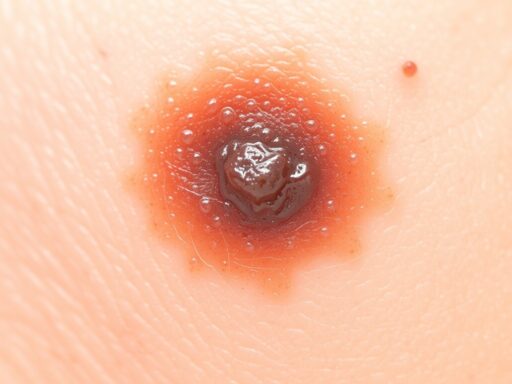


Can You Freeze Moles Off? Let’s Talk About Cryotherapy
So you’ve got a mole you’d like to get rid of, and you’ve heard about freezing it off. Maybe you’ve seen those over-the-counter wart removal kits and wondered “can you freeze moles off at home?” Or perhaps your dermatologist mentioned cryotherapy and you’re here Googling at 2 AM wondering what that actually involves.
Welcome! We’re here to give you the straight story about freezing moles—what works, what doesn’t, what’s safe, and what will probably just leave you with a freezer burn and regrets.
The quick answer: Yes, freezing moles (cryotherapy) is a real medical procedure that dermatologists use. But—and this is a big but—it’s not the best option for most moles, it doesn’t work on all moles, and you absolutely should not try the DIY version with drugstore wart removers.
Let’s break down everything you need to know about freezing moles off, from how it works to whether it’s right for your situation.
Important note: Freezing moles is just one of many removal options, and often not the best one. For a complete guide to all mole removal methods and which ones actually work best, check out our comprehensive Mole Removal Guide where we cover everything from surgical excision to laser removal.

What Is Cryotherapy for Moles?
Cryotherapy (also called cryosurgery) is a medical procedure where extremely cold liquid nitrogen is used to freeze and destroy unwanted skin tissue—including certain types of moles.
How cryotherapy for moles works:
- Liquid nitrogen (around -320°F / -196°C) is applied to the mole
- The extreme cold destroys the mole cells by forming ice crystals inside them
- The frozen tissue dies and eventually falls off
- New, hopefully mole-free skin grows in its place
What doctors use to freeze off moles: Medical-grade liquid nitrogen applied with either a spray device or a cotton swab applicator. This is NOT the same as the freeze-off products you can buy at the drugstore for warts (more on that disaster waiting to happen later).
The procedure: Takes about 5-20 seconds of freezing, depending on the mole size and depth. You’ll feel intense cold and probably some stinging. The area will blister, scab over, and heal over 1-3 weeks.
Can You Freeze Off Moles? When It Works (And When It Doesn’t)
Here’s the thing about freezing moles: it’s not a universal solution. Dermatologists use cryotherapy for specific types of moles, but it’s actually not their first choice for most.
When Cryotherapy Can Work for Moles:
- Flat, superficial moles: Moles that aren’t deeply rooted in the skin
- Small moles: Usually under 5mm in diameter
- Non-cancerous moles: Already confirmed benign by a dermatologist
- Cosmetic removal: Where scarring is less of a concern than complete removal
- Multiple small moles: Where freezing several at once is efficient
When Cryotherapy Does NOT Work Well:
- Raised moles: Moles that stick out from the skin usually have deep roots that freezing won’t reach
- Large moles: Over 5-6mm diameter—freezing won’t get deep enough
- Deep moles: If it goes into the deeper skin layers, freezing the surface won’t cut it
- Suspicious or atypical moles: These need to be surgically removed and biopsied, not frozen
- Moles with dark pigmentation: Can leave permanent light spots (hypopigmentation)
The reality: Most dermatologists prefer surgical shave removal or excision over cryotherapy for moles. Why? Because surgical methods allow them to biopsy the tissue (important for cancer screening) and typically result in better cosmetic outcomes.
Does Freezing Moles Work? The Success Rate
Can cryotherapy remove moles? Sometimes, but not always on the first try.
Success rates for cryotherapy on moles:
- Flat, superficial moles: 60-80% success with 1-2 treatments
- Raised or deeper moles: 40-60% success (often requires multiple sessions)
- Complete removal: May take 2-3 freeze cycles spaced weeks apart
Can moles grow back after cryotherapy? Yes, absolutely. If the freezing doesn’t destroy all the mole cells (especially the deeper ones), the mole can regrow. This is actually pretty common with cryotherapy—much more so than with surgical removal.
Does cryotherapy work on moles? It can, but with these caveats:
- Multiple treatments often needed
- Higher regrowth rate compared to surgery
- No tissue sample for biopsy (a significant drawback)
- Risk of scarring and pigmentation changes
Freezing Moles Off: Before and After Expectations
Let’s talk about what actually happens when you freeze moles off, because the “before and after” isn’t as simple as mole disappears/perfect skin appears.
What to Expect: The Freezing Moles Process
During the procedure (how do doctors freeze off moles):
- Area is cleaned (usually no numbing needed—the cold numbs it)
- Liquid nitrogen applied for 5-20 seconds
- You feel intense cold, stinging, possible burning sensation
- Skin turns white/frost forms
- Procedure takes just a few minutes
Immediately after:
- Area is red and may feel like a mild burn
- Within hours, a blister forms (this is normal)
- Blister may fill with clear fluid or blood
- Area can be tender or painful for 1-2 days
The freezing moles healing process:
- Days 1-3: Blister forms and may look alarming (don’t pop it!)
- Days 4-7: Blister dries out, forms a scab
- Days 7-14: Scab falls off naturally
- Weeks 2-4: Pink skin underneath continues healing
- Months 1-6: Scar tissue matures, color evens out (hopefully)
How long do moles take to fall off after freezing? The frozen mole tissue typically falls off within 1-3 weeks. However, you might need multiple treatments if it doesn’t fully disappear.
Freezing Moles Off: Before and After Reality Check
Best case scenario:
- Mole completely removed after 1-2 treatments
- Minimal scarring that fades over time
- Skin color returns to near-normal
- No regrowth
Common scenario:
- Mole partially removed, requires additional treatment
- Visible scar or texture change
- Lighter patch of skin (hypopigmentation) where mole was
- Some mole pigment remains
Worst case scenario:
- Mole grows back
- Significant scarring
- Permanent white spot on skin
- Infection during healing
Does Freezing Moles Leave Scars?
The honest answer: Often, yes.
Cryotherapy can leave several types of scarring:
- Hypopigmentation: Light or white spots where the frozen area was (very common)
- Texture changes: Slightly raised or depressed scar tissue
- Hyperpigmentation: Darker spots (less common than hypopigmentation)
- Standard scars: Visible mark where the mole was
Important note: The risk of permanent light spots is especially high for people with darker skin tones. If you have dark skin and freeze off a mole, you’re very likely to end up with a conspicuous white patch.
Does freezing moles hurt? During the procedure, you’ll feel intense cold and stinging. Afterward, it can be tender or painful for a few days, similar to a burn. Most people rate the pain as manageable but definitely noticeable.
Can You Freeze Moles Off at Home? (Spoiler: DON’T)
We need to have a serious talk about the “can you freeze moles off at home” question, because this comes up a lot and the answer is a hard NO.
Why You Absolutely Should Not Try At-Home Mole Freezing
Can you use wart freeze on moles? Technically you CAN, but you absolutely SHOULDN’T. Here’s why:
1. Wrong Temperature
Over-the-counter freeze products (Compound W Freeze Off, Dr. Scholl’s Freeze Away, etc.) reach around -70°F. Medical liquid nitrogen is -320°F. That’s a MASSIVE difference. OTC products aren’t cold enough to effectively destroy mole tissue—they’re designed for shallow warts, not deeper mole roots.
2. Cancer Risk
This is the big one: If you freeze off a mole at home, you can’t biopsy it. If that mole happens to be melanoma or another skin cancer, you’ve just:
- Destroyed evidence that could have been biopsied
- Potentially allowed cancer cells to remain
- Created a situation where cancer can progress undetected
- Made diagnosis much harder later
This is not theoretical—this is genuinely dangerous.
3. Scarring and Damage
Without medical training, you’re likely to:
- Freeze too long or too short (ineffective or excessive damage)
- Damage surrounding healthy skin
- Create worse scars than professional treatment would
- Cause infection
- End up with permanent discoloration
4. It Probably Won’t Work
Most moles are too deep for OTC freeze products. You’ll likely just:
- Irritate the mole
- Partially damage it (making it look worse)
- Waste money
- Still need professional removal anyway
Common At-Home Freezing Questions (And Why The Answer Is “No”)
Can you use Freeze Away on moles? Don’t.
Does Dr. Scholl’s Freeze Away work on moles? It’s not designed for moles and won’t work effectively.
Can you use Compound W Freeze Off for moles? Also a bad idea.
Can you freeze moles off yourself? You could, but you shouldn’t—it’s unsafe and ineffective.
How to freeze moles off at home? We’re not going to tell you how because we don’t want you to do it!
Can you use freeze wart remover on moles? Please don’t.
The bottom line: Wart removal products are for warts. Moles require professional evaluation and treatment. Always.
What About Freezing Moles with Dry Ice?
Some people wonder about freezing moles off with dry ice as a DIY alternative. Let’s address this directly:
Can you freeze moles with dry ice? Technically you could apply dry ice to your skin, but:
- Dry ice is only -109°F (still much warmer than medical liquid nitrogen)
- Risk of severe frostbite to surrounding skin
- No control over depth or duration of freezing
- Same cancer screening concerns as any DIY removal
- High risk of infection and scarring
Our advice: Please don’t freeze your own moles with dry ice, liquid nitrogen, or any other substance. The risks far outweigh any potential savings.
Cryotherapy for Moles on Face: Special Considerations
Thinking about freezing moles off your face? Extra caution needed here.
Risks of freezing moles on face:
- Higher risk of visible scarring in a prominent location
- Hypopigmentation (light spots) very noticeable on face
- Facial skin is more delicate
- Cosmetic outcome is more important on face
What dermatologists typically recommend instead:
- Surgical shave removal (better cosmetic results)
- Laser removal (for certain mole types)
- Surgical excision with careful suturing (minimal scarring)
Cryotherapy for facial moles is used less often specifically because the cosmetic results are less predictable than surgical methods. If you’re concerned about appearance (and who isn’t when it’s your face?), ask your dermatologist about alternatives to freezing.

Freezing Off Moles: Aftercare Instructions
If you do have a mole frozen off by a dermatologist, here’s how to care for it during healing:
Freezing Moles Aftercare Steps:
Immediately after (Days 1-2):
- Leave blister intact—don’t pop it!
- Keep area clean and dry
- Apply petroleum jelly if recommended
- Cover with bandage if needed (clothing friction)
- Take over-the-counter pain reliever if uncomfortable
During scabbing phase (Days 3-14):
- Let scab fall off naturally—don’t pick!
- Keep area moisturized
- Protect from sun exposure (very important!)
- Watch for signs of infection (increased redness, pus, warmth, fever)
- Avoid swimming pools until healed
After scab falls off (Weeks 2-6):
- Use sunscreen religiously on the area (SPF 30+ minimum)
- Continue moisturizing
- Be patient—final appearance can take months
- Follow up with dermatologist if mole regrows
Signs you need to call your doctor:
- Increasing pain after first few days
- Red streaks extending from treated area
- Pus or yellow discharge
- Fever
- Excessive bleeding
- Mole changes color or appearance during healing
Cryotherapy Moles: Side Effects and Risks
Let’s talk about what can go wrong with freezing moles:
Common Side Effects:
- Pain/discomfort: During and for days after (very common)
- Blistering: Expected and normal
- Hypopigmentation: Light spots (common, often permanent)
- Temporary redness: Lasts weeks to months
Less Common But Possible:
- Infection: If not cared for properly
- Nerve damage: Temporary numbness or tingling
- Excessive scarring: Raised or keloid scars
- Hyperpigmentation: Darker spots (less common than light spots)
Serious Risks:
- Incomplete removal: Mole grows back
- Missed melanoma: Freezing cancerous mole without biopsy
- Deep tissue damage: If frozen too aggressively
Freezing moles side effects are generally manageable when done by a professional, but they’re another reason why many dermatologists prefer surgical removal—more predictable outcomes and the ability to biopsy.
Is It Safe to Freeze Moles Off?
Is it safe to freeze off moles? When done by a dermatologist on appropriate moles, yes—generally safe. But with important caveats:
It’s reasonably safe IF:
- Done by a licensed dermatologist
- Mole has been evaluated and deemed appropriate for cryotherapy
- Mole is definitely benign (no signs of cancer)
- You understand and accept the risks
- You follow aftercare instructions
It’s NOT safe if:
- You’re doing it yourself at home
- Mole hasn’t been evaluated by a doctor
- Mole looks atypical or suspicious
- You’re using OTC wart removal products
Better Alternatives to Freezing Moles
Here’s a secret: most dermatologists don’t actually prefer cryotherapy for moles. They have better options!
Methods That Usually Work Better Than Freezing:
1. Surgical Shave Removal
- Quick procedure (5-10 minutes)
- Usually excellent cosmetic results
- Tissue can be biopsied
- Low recurrence rate
- Good for raised moles
2. Surgical Excision
- Complete removal including roots
- Tissue biopsied for cancer screening
- Lowest recurrence rate
- Best for suspicious moles
- Small scar but typically fades well
3. Laser Removal
- Good for certain flat moles
- Minimal scarring
- Quick healing
- Can’t biopsy (downside)
- Works well on face for cosmetic removal
Want to learn more about all your mole removal options? We’ve created a comprehensive guide that covers every method, from surgical options to laser removal to what actually works and what doesn’t. Check out our complete Mole Removal Guide to find the best option for your specific situation.
When to Consider Cryotherapy for Moles
Despite everything we’ve said, there ARE situations where cryotherapy makes sense:
Good candidates for freezing moles:
- Multiple small, flat, benign moles that need removal
- Moles in low-visibility areas where scarring is less concerning
- Patients who can’t tolerate surgery for medical reasons
- Non-cancerous lesions confirmed by previous biopsy
- When quick, inexpensive removal is priority over perfect cosmetic result
Questions to ask your dermatologist:
- “Is this mole a good candidate for freezing, or would another method work better?”
- “What’s the chance it will grow back?”
- “What will the scar likely look like?”
- “How many treatments will I probably need?”
- “What are my other options?”
Cryotherapy for Moles: Cost Considerations
How much does freezing moles cost?
- Professional cryotherapy: $100-$500 per mole (varies by location, doctor, mole size)
- Insurance: May cover if medically necessary; usually doesn’t cover cosmetic removal
- Multiple treatments: Cost multiplies if you need 2-3 freeze cycles
Cost comparison to other methods:
- Surgical shave removal: $150-$400
- Surgical excision: $200-$600
- Laser removal: $200-$500
Cryotherapy is often cheaper per treatment, but if you need multiple sessions or the mole grows back, the total cost can exceed surgical removal—which usually works the first time.
The Bottom Line: Should You Freeze Your Moles Off?
Let’s bring it all together with some honest advice:
Freezing moles CAN work, but:
- It’s not the best option for most moles
- Success rates are lower than surgical removal
- Scarring and pigment changes are common
- Multiple treatments often needed
- Can’t biopsy the tissue (big drawback)
Do NOT freeze moles yourself:
- OTC products don’t work on moles
- You can’t rule out cancer without medical evaluation
- High risk of complications and poor results
- Not worth the safety risks
DO consider cryotherapy if:
- Your dermatologist recommends it for your specific mole
- Mole is confirmed benign and suitable for freezing
- You understand and accept the limitations and risks
- You’ve discussed alternatives and decided freezing is best
For most people, surgical removal is better because:
- Higher success rate (usually one treatment works)
- Tissue can be biopsied
- More predictable cosmetic results
- Lower chance of mole regrowing
Your Next Steps
If you’re considering mole removal—whether by freezing or any other method—here’s what to do:
- See a dermatologist: Get your mole evaluated by a professional
- Discuss all options: Ask about cryotherapy vs. surgical removal vs. laser
- Consider your priorities: Cost, scarring, success rate, biopsy needs
- Make an informed decision: Based on medical advice, not internet trends
- Follow aftercare instructions: Proper healing is crucial
Want to learn more? Our comprehensive Mole Removal Guide covers everything you need to know about removing moles safely and effectively. We break down all the methods, compare pros and cons, discuss costs, and help you figure out which option is right for your situation.
Freezing moles is just one piece of the mole removal puzzle—and often not the best piece. Get the full picture before you decide!
Medical Disclaimer: This article is for educational purposes only and is not medical advice. Always consult a qualified dermatologist before attempting any mole removal. Never remove moles at home. Any changing or suspicious mole should be evaluated by a dermatologist to rule out skin cancer.
Have more questions about mole removal? Check out our other guides on surgical mole removal, understanding atypical moles, and when to see a dermatologist. We’re here to help you make informed decisions about your skin health!